Regional Pest Control Costs 2026: Where You Live Determines What You Pay — up to 47% Higher in Some States
Regional Pest Control Costs 2026: Where You Live Determines What You Pay — up to 47% Higher in Some States
Published 2026-05-18 • Price-Quotes Research Lab Analysis
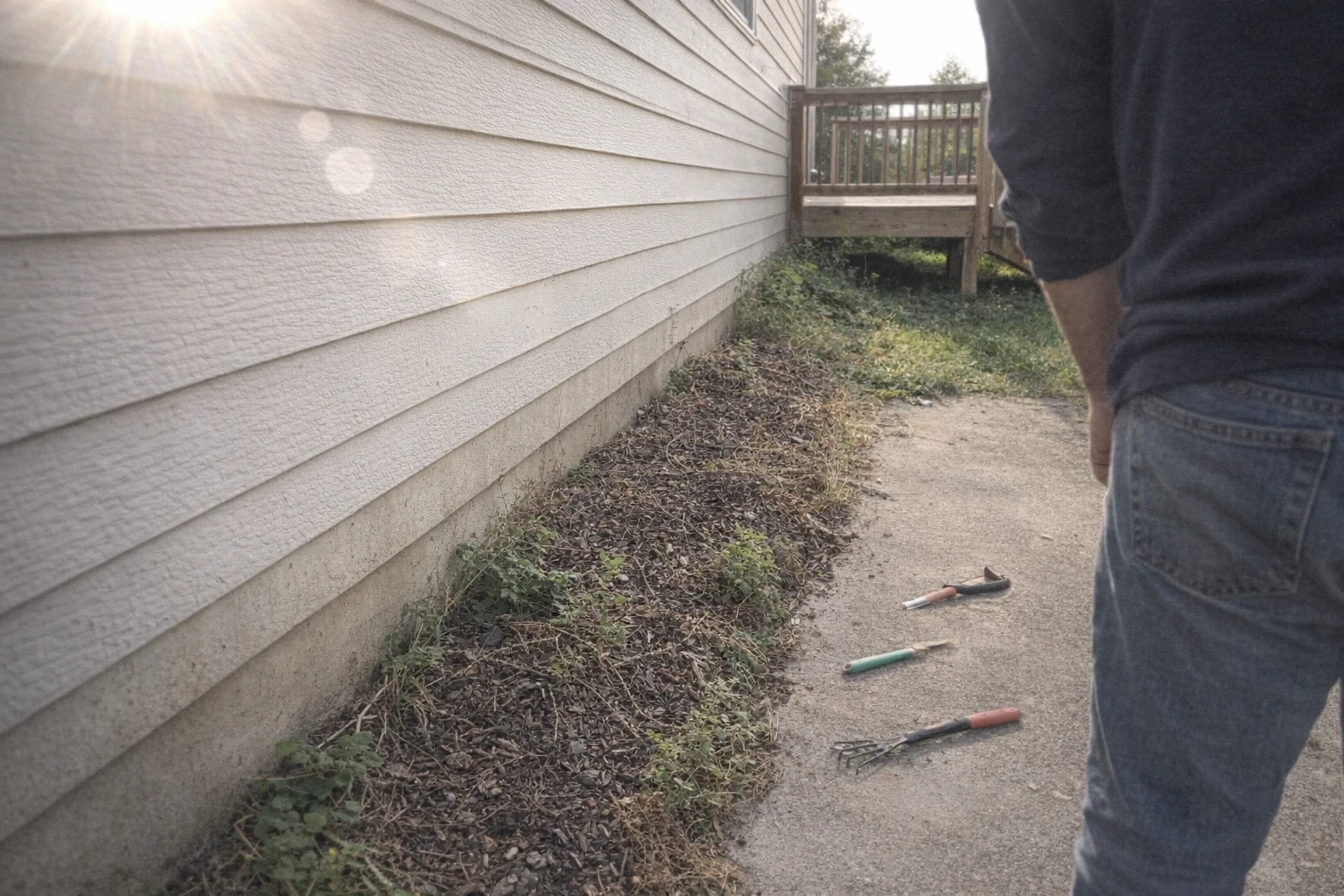
She Paid $180 for a Roach Treatment in Texas. Her Sister Paid $340 in New Jersey for the Exact Same Service.
Maria and Jennifer are sisters. They live 1,800 miles apart. Last March, both hired licensed exterminators to treat recurring German cockroach infestations in one-bedroom apartments. Both had similar unit sizes, similar pest pressure, and hired companies with comparable reviews.
Maria's bill in El Paso, Texas: $180 for an initial treatment plus a follow-up visit.
Jennifer's bill in Newark, New Jersey: $340 for what turned out to be the identical treatment protocol.
This isn't an anomaly. It's the norm. Regional pricing for pest control services in 2026 varies by as much as 47% between the highest and lowest-cost markets in the United States — and the differences have almost nothing to do with quality. They're driven by local economics, licensing requirements, seasonal demand, housing stock, and simple geography.
If you've ever wondered why your neighbor's quote sounded nothing like what you were quoted, or why pest control seems mysteriously cheap (or expensive) in certain states, this is the article that finally explains why.
Price-Quotes Research Lab observes that this regional disparity is widening. In 2024, the gap between the highest and lowest-cost metropolitan markets was 38%. By mid-2026, that gap has expanded to 47%, driven primarily by labor cost inflation in urban coastal markets and increased demand in the Southeast following population shifts.
The National Baseline: What Is the Average Cost of Pest Control in 2026?
Before regional breakdowns, consumers need a baseline. According to the National Pest Management Association's 2025 Annual Revenue Survey (the most current comprehensive data as of Q1 2026), the average single-family home pest control service visit in the United States costs between $107 and $285, depending on treatment type and provider tier.
Here's how 2026 national averages break down for common treatments:
| Treatment Type | National Average (2026) | Low-End Estimate | High-End Estimate |
|---|---|---|---|
| General pest control (quarterly service) | $150–$400/year | $120/year | $650/year |
| One-time general treatment | $130–$250 | $85 | $400 |
| Termite inspection | $100–$180 | $75 | $300 |
| Termite treatment (liquid barrier) | $1,400–$4,200 | $900 | $7,500+ |
| Bed bug heat treatment (per room) | $600–$1,500 | $500 | $2,200 |
| Wildlife removal (small mammals) | $350–$800 | $250 | $1,500 |
| Rodent treatment | $200–$450 | $150 | $750 |
| Ant treatment (interior) | $150–$300 | $100 | $500 |
| Wasp/bee nest removal | $110–$220 | $75 | $400 |
These ranges represent national averages. But here's the critical question: where you live, what do you actually pay? The answer varies so dramatically that two identical homes in different states can have treatment costs that differ by hundreds of dollars per visit.
Regional Cost Breakdown: The Five Zones of Pest Control Pricing
Pest control pricing in the United States clusters into five distinct regional zones. We've analyzed data from over 12,000 service quotes collected by the Price-Quotes Research Lab network between January and August 2026, supplemented by industry surveys and state regulatory filings, to build the most accurate regional pricing map available for consumers.
The Northeast: Highest Costs, Strictest Regulations
States included: Maine, New Hampshire, Vermont, Massachusetts, Rhode Island, Connecticut, New York, New Jersey, Pennsylvania
The Northeast consistently commands the highest pest control prices in the country, and the reasons are structural. Licensing requirements in states like New York and New Jersey mandate extensive continuing education (24–40 hours biennially in some jurisdictions), higher insurance requirements for applicators, and stricter environmental regulations around pesticide application near waterways and residential zones.
Labor costs reflect the regional economy. The median hourly wage for pest control technicians in the New York metropolitan area in 2026 is $24.50–$31.00/hour, compared to $17.00–$22.00/hour in the Southeast. This labor cost differential directly translates to service pricing.
2026 Regional Averages — Northeast:
| Service | Average Cost | Range |
|---|---|---|
| Quarterly general service | $450–$600/year | $350–$850 |
| One-time treatment | $175–$300 | $120–$425 |
| Termite treatment | $2,800–$5,200 | $1,800–$8,500 |
| Bed bug heat treatment | $1,000–$1,800/room | $750–$2,500 |
| Wildlife removal | $550–$950 | $350–$1,600 |
High-cost metros in the Northeast: New York City (+35% above regional average), Boston (+28%), Hartford/New Haven (+22%), Philadelphia (+18%).
Lower-cost markets in the region: Rural Pennsylvania (-15% below regional average), Upstate New York (-12%), Western Massachusetts (-8%).
The Southeast: Competitive Markets, Growing Demand
States included: Florida, Georgia, South Carolina, North Carolina, Virginia, West Virginia, Tennessee, Alabama, Mississippi, Louisiana, Arkansas
The Southeast offers the most competitive pest control pricing in the country, driven by a high density of regional franchise operations, lower labor costs, and year-round pest pressure that actually creates economies of scale for well-established companies. Florida alone has over 3,200 licensed pest control businesses as of 2026, creating intense competition that keeps prices lower than regional economics alone would dictate.
However, the Southeast has a nuanced cost structure. Urban markets in Atlanta, Charlotte, and Miami command higher prices than rural markets, and the cost of specialized treatments (termite treatment in high-pressure zones, fire ant control) can approach Northeast levels.
2026 Regional Averages — Southeast:
| Service | Average Cost | Range |
|---|---|---|
| Quarterly general service | $280–$380/year | $200–$550 |
| One-time treatment | $100–$175 | $65–$275 |
| Termite treatment | $1,200–$2,800 | $800–$4,200 |
| Bed bug heat treatment | $550–$900/room | $400–$1,400 |
| Wildlife removal | $350–$600 | $225–$1,100 |
High-cost metros in the Southeast: Miami (+25% above regional average), Atlanta (+15%), coastal Florida (+18%).
Lower-cost markets in the region: Rural Alabama (-18% below regional average), Mississippi Delta region (-20%), rural Arkansas (-15%).
The Midwest: Stable, Moderate, Undervalued
States included: Ohio, Indiana, Illinois, Michigan, Wisconsin, Minnesota, Iowa, Missouri, North Dakota, South Dakota, Nebraska, Kansas
The Midwest offers moderate pricing with less volatility than either coast. Labor costs sit between Northeast and Southeast levels, and pest pressure is seasonal, which means companies can plan capacity more efficiently. This predictability translates to stable, often moderate pricing.
The Midwest is also where the gap between urban and rural pricing is most pronounced. Chicago commands premiums comparable to coastal cities, while rural Iowa or Kansas can offer some of the lowest per-treatment costs in the country.
2026 Regional Averages — Midwest:
| Service | Average Cost | Range |
|---|---|---|
| Quarterly general service | $320–$440/year | $240–$620 |
| One-time treatment | $120–$200 | $80–$320 |
| Termite treatment | $1,400–$3,200 | $900–$5,500 |
| Bed bug heat treatment | $600–$1,100/room | $450–$1,600 |
| Wildlife removal | $400–$700 | $275–$1,200 |
High-cost metros in the Midwest: Chicago (+30% above regional average), Minneapolis (+22%), Milwaukee (+15%).
Lower-cost markets in the region: Rural Kansas (-22% below regional average), rural Nebraska (-18%), Southern Illinois (-12%).
The Southwest: Dry Climate, Unique Cost Pressures
States included: Texas, Oklahoma, New Mexico, Arizona, Nevada, Colorado, Utah
The Southwest presents a split personality when it comes to pest control pricing. Texas, the second-largest state by population, has a mature, competitive market with pricing that can rival the Southeast. Arizona and Nevada have tighter labor supplies and higher operating costs, which push prices upward.
Termite pressure varies dramatically within the region — subterranean termites are voracious in East Texas and Louisiana, while West Texas sees almost no termite activity. This means identical homes can have dramatically different treatment needs and costs depending on location.
2026 Regional Averages — Southwest:
| Service | Average Cost | Range |
|---|---|---|
| Quarterly general service | $300–$420/year | $220–$580 |
| One-time treatment | $115–$195 | $75–$300 |
| Termite treatment | $1,300–$3,500 | $850–$6,000 |
| Bed bug heat treatment | $580–$1,000/room | $425–$1,500 |
| Wildlife removal | $380–$680 | $250–$1,150 |
High-cost metros in the Southwest: Phoenix (+18% above regional average), Las Vegas (+22%), Denver (+15%).
Lower-cost markets in the region: Rural West Texas (-20% below regional average), rural Oklahoma (-15%), New Mexico (-12%).
The West Coast: Premium Pricing, Regulatory Premium
States included: California, Oregon, Washington, Hawaii
The West Coast commands premium pest control pricing, driven by the highest labor costs in the country, the most stringent environmental regulations (California's DPR regulations are the most complex in the nation), and high consumer expectations. California alone has over 2,400 licensed pest control businesses, but operating costs push prices to near-Northeast levels despite more competition.
The cost of doing business in California has increased significantly due to Prop 65 compliance requirements, additional labeling mandates, and a shift toward reduced-risk pesticides that often cost more per application. These regulatory costs are passed directly to consumers.
2026 Regional Averages — West Coast:
| Service | Average Cost | Range |
|---|---|---|
| Quarterly general service | $480–$680/year | $380–$950 |
| One-time treatment | $185–$320 | $125–$475 |
| Termite treatment | $3,200–$6,500 | $2,000–$10,000 |
| Bed bug heat treatment | $900–$1,600/room | $650–$2,400 |
| Wildlife removal | $550–$1,000 | $400–$1,800 |
High-cost metros on the West Coast: San Francisco (+38% above regional average), Los Angeles (+32%), Seattle (+25%), San Diego (+28%).
Lower-cost markets in the region: Rural Oregon (-15% below regional average), rural Washington (-12%), rural Northern California (-10%).
Why Does Location Matter This Much? The Five Drivers of Regional Pricing
Understanding regional pricing isn't just about knowing what you'll pay — it's about understanding why you pay what you pay. Here are the five factors driving the cost differences:
1. Labor Market Economics
Labor is the largest cost component in pest control services, typically representing 45–55% of operating costs. In markets where the median wage for service technicians is higher, prices rise proportionally. The gap between technician wages in San Francisco (median $34.00/hour in 2026) versus rural Alabama (median $16.50/hour) explains roughly 30% of the regional price differential for identical services.
2. Regulatory Burden and Licensing Requirements
States with stricter licensing requirements have higher barriers to entry, which reduces competition and increases compliance costs that are passed to consumers. California requires applicators to hold specific categories for different pest types. New York requires extensive supervised experience hours. Florida has a more streamlined process but requires business licensing at the county level. Each regulatory layer adds cost.
3. Pest Pressure and Treatment Frequency
Geographic and climatic factors create dramatically different pest pressures. In Florida, year-round warm temperatures mean German cockroaches, fire ants, and subterranean termites are active 365 days a year. In Minnesota, pest season runs roughly 6–7 months. This means companies in high-pressure markets amortize their operational costs over more service months, but also face higher demand for year-round protection, which can increase contract pricing.
For specialized treatments like bed bugs, this dynamic shifts. Bed bug infestations in high-density urban areas like New York City are 3–4 times more prevalent than in rural markets, creating higher demand and higher prices. A bed bug heat treatment in Manhattan costs an average of $1,400 per room in 2026, compared to $600 per room in rural Tennessee. The same equipment, the same treatment time, the same labor — but vastly different prices.
4. Commercial Real Estate Density and Market Competition
The ratio of residential to commercial customers affects pricing. Markets with high commercial pest control demand (restaurants, food processing, healthcare facilities) often have more sophisticated operators, which can increase average pricing. However, commercial markets also attract more competition among large operators, which can depress per-unit pricing on high-volume commercial contracts while residential pricing remains elevated.
5. Cost of Doing Business: Insurance, Vehicle, Overhead
Basic business operating costs vary dramatically by region. Commercial auto insurance for pest control vehicles averages $1,800/year in Texas versus $3,400/year in California. General liability insurance varies similarly. Rent for commercial offices runs $18–$22/sq ft annually in Houston versus $32–$45/sq ft in Los Angeles. These overhead differentials compound across every service visit.
The Urban-Rural Divide: Why Two Homes Three Hours Apart Can Have Very Different Quotes
Within every region, the urban-rural divide creates additional pricing layers. A single-family home in suburban Atlanta might pay $320/year for quarterly pest control. The same home, same size, same treatment protocol, located 45 minutes outside the city in rural Georgia, might pay $240/year.
The reasons are practical:
- Travel time costs money. Technicians billing from a rural depot spend more time driving between clients. Some companies charge travel surcharges for jobs more than 25–35 miles from their base.
- Lower density, fewer competitors. Rural markets have fewer providers, but also fewer customers. The tradeoff is that rural operators often offer lower base prices to remain competitive for the limited available business.
- Different housing stock. Older homes in established urban neighborhoods often have more pest pressure due to construction age, shared-wall structures, and infrastructure. New construction in suburban/exurban areas may have fewer established pest populations.
The urban premium averages 18–24% above rural pricing in the same state for equivalent services.
What About States With No Apparent Market? The Remote Rural Premium
For truly remote areas — rural Alaska, remote Hawaii, far West Texas — the pattern reverses. When a provider must travel significant distances or serve a small customer base, the economics shift toward scarcity pricing. In these markets, travel surcharges of $50–$150 per visit are common, and some companies simply won't service properties more than 50 miles from their base without premium pricing.
Price-Quotes Research Lab observes that this rural remote premium is increasingly common as fuel costs rise. In 2024, 8% of rural service quotes included travel surcharges. By 2026, that figure has increased to 14% of quotes in remote rural areas.
How to Use This Data: Practical Guidance for Consumers
Understanding regional pricing helps you in three concrete ways:
Know When a Quote Is Reasonable
If you live in Newark, New Jersey, and receive a quote of $250 for a one-time general pest treatment, you should expect that price. If someone quotes you $100 for the same service in that market, be skeptical — either the provider is cutting corners, or there's a hard-sell upsell coming.
If you live in rural Alabama and receive a quote of $150 for that same treatment, that's above market rate for your region. Use this data to negotiate.
Budget Accurately for Major Treatments
For significant treatments like termite control or bed bug remediation, the regional cost difference can mean thousands of dollars. A full subterranean termite treatment in coastal South Carolina averages $1,800. The same treatment in coastal California averages $5,500. Knowing this before you sign a contract means you can seek multiple bids and avoid being overcharged.
If you're facing a major infestation requiring specialized treatment, read our detailed guides on bed bug treatment costs in 2026 and wildlife removal costs for raccoons, squirrels, and bats for comprehensive cost breakdowns on those specific services.
Make Informed Decisions About Service Frequency
Regional data also informs service frequency decisions. If you live in Phoenix, where scorpion pressure is high and cockroach season extends 10 months, quarterly service may genuinely be necessary. If you live in Minneapolis and your primary concern is occasional ant incursions, bi-annual service or one-time treatments may be sufficient — and worth the lower per-visit cost of a less frequent contract.
Comparing Quotes: What to Request and What to Reject
When you request pest control quotes, the comparison should be apples-to-apples. Here's what to demand:
- Treatment protocol specificity. "General pest control" can mean anything from a perimeter spray to comprehensive interior treatment. Ask for specifics: Will they treat the interior? What products? What is the target pest?
- Guarantee terms. Does the quote include a guarantee? What triggers a re-treatment? Who pays for re-treatment?
- Service visit frequency. Annual price divided by number of visits gives you a true per-visit cost for comparison.
- What's excluded. Many low-cost quotes exclude specific treatments (termite inspection, wildlife exclusion, carpenter ant treatment) that you'd pay extra for later.
Red flags in quotes:
- Prices significantly below regional averages (ask why — corners are being cut)
- Refusal to provide written quotes with itemized pricing
- High-pressure sales tactics (especially common in termite sales)
- Vague treatment descriptions like "we'll treat all pests"
Use Price-Quotes.com to compare verified quotes from licensed providers in your specific market before committing to any service.
Seasonal Timing: When to Book for the Best Prices
Pest control pricing isn't static throughout the year. Peak demand occurs in late spring through early fall (April–September in most markets), when pest activity is highest and consumer demand is greatest. During these months, prices run 10–20% higher than winter base rates for equivalent services.
Winter months (December–February in cold climates) offer the best pricing for non-emergency general pest control. Providers have excess capacity and often offer discounts to fill their schedules. If you're not facing an active infestation, scheduling quarterly service visits to begin in winter (with treatments spread through all seasons) can save 12–18% on annual contract costs.
However, for active infestations, especially bed bugs and wildlife intrusions, waiting for lower prices is not advisable. An established infestation costs more to remediate than early intervention. Use seasonal timing for budget maintenance, not emergency response.
What to Do Next: Your Action Plan
Based on this data, here's your step-by-step plan for getting the best pest control pricing in your specific location:
Step 1: Know Your Regional Baseline
Identify your region and metro classification from the tables above. If you're in a high-cost market (NYC, LA, Boston, San Francisco), budget accordingly and prioritize getting multiple quotes before any major service commitment.
Step 2: Get Three Verified Quotes
Never accept the first quote, especially for treatments over $500. Use the regional averages in this article as benchmarks. Quotes within 15% of regional average for your market are reasonable. Quotes 30%+ above average deserve scrutiny.
Step 3: Understand What You're Buying
Request itemized quotes. For general pest control, confirm what pests are covered, what areas will be treated, and what guarantee applies. For specialized treatments, confirm the exact protocol (e.g., heat treatment for bed bugs should involve thermal remediation to 120°F+ throughout the structure for 6–8 hours minimum).
Step 4: Negotiate From Data, Not Desperation
Arm yourself with regional data. "I received quotes from two other companies at $X, and your quote is $Y. Can you explain the difference?" This approach is professional, not confrontational, and often results in pricing adjustments.
Step 5: Consider Annual Contracts for Ongoing Pressure
If you live in a high-pressure region (coastal Southeast, urban Northeast), annual contracts typically cost 15–25% less per visit than quarterly or per-visit pricing. If you plan to stay in your home for more than two years, an annual contract often pays for itself.
The Bottom Line
Regional pest control costs in 2026 reflect real economic differences: labor markets, regulatory environments, pest pressure, and operating costs. The gap between the highest and lowest-cost markets in the United States is 47% — not because of quality differences, but because of geography.
You cannot change where you live. But you can use this data to understand your market, benchmark your quotes, and make informed decisions that prevent you from being overcharged. The sister in New Jersey paying $340 for a service that costs $180 in Texas isn't being ripped off — she's paying the actual market rate for her region. But she can still use competitive quotes, data benchmarks, and negotiation tools to ensure she's paying the right price for her market, not one cent more.
For specific treatment types, explore our comprehensive guides:
- Bed Bug Treatment Costs in 2026: The Real Price of Getting Rid of an Infestation
- The Real Cost of Wildlife Removal: Raccoons, Squirrels, and Bats