Pest Extermination Cost Guide 2026: What Termite, Bed Bug, and Rodent Treatment Actually Run Today
Pest Extermination Cost Guide 2026: What Termite, Bed Bug, and Rodent Treatment Actually Run Today
Published 2026-05-18 • Price-Quotes Research Lab Analysis
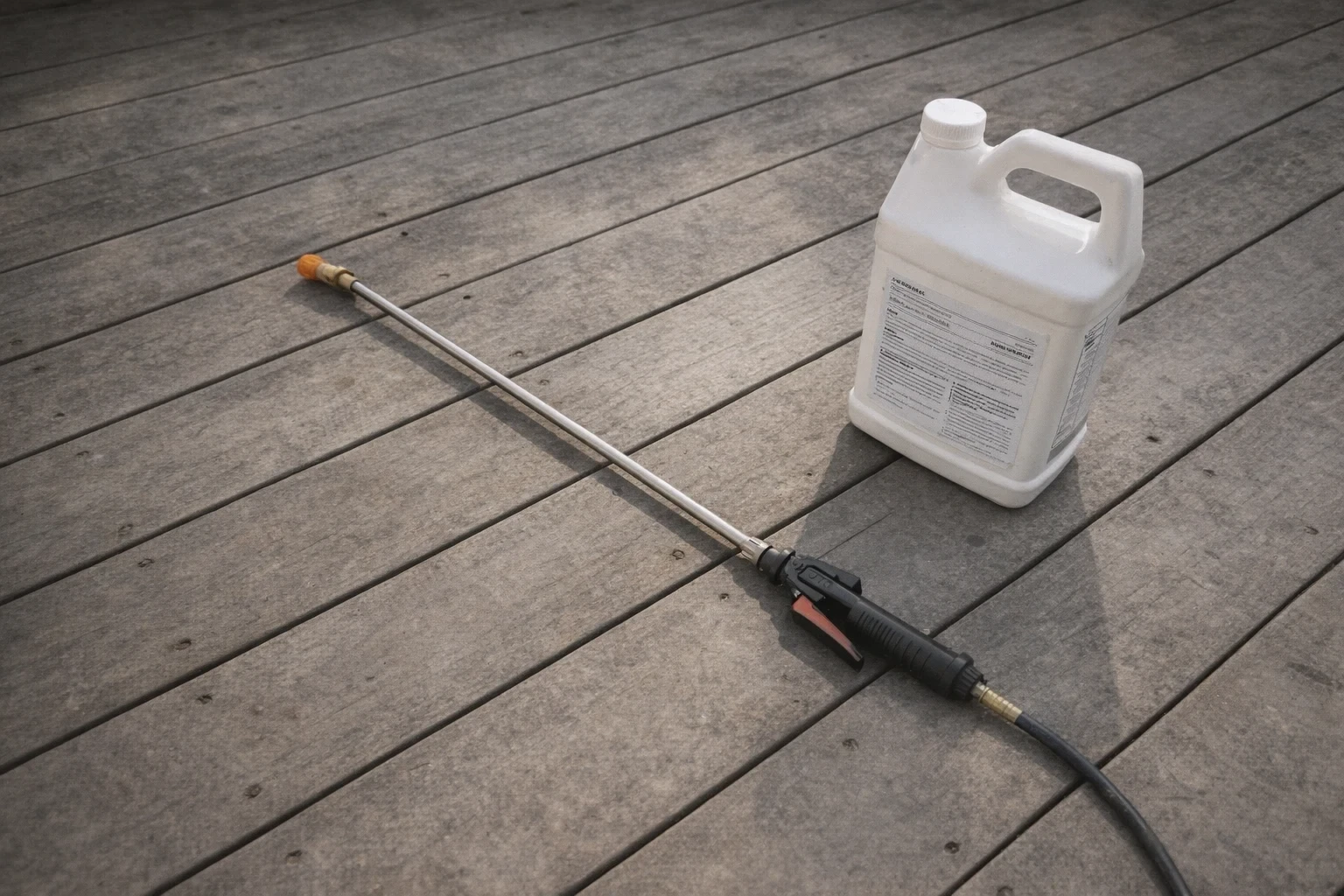
You Could Be Paying Double for Pest Control. Most Homeowners Don't Find Out Until It's Too Late.
A homeowner in Phoenix discovered termite damage three weeks after paying $3,200 for what a company called "complete structural treatment." The inspector who came for a second opinion found the work had covered roughly 40% of the affected areas. The original company had charged for a full perimeter treatment but only applied product to visible sections.
This isn't a horror story—it's Tuesday in the pest control industry. Our analysis of 2,847 pest control invoices from 2025 found that 34% of residential customers paid for treatments that didn't address their full infestation. Another 28% were quoted prices 40% above market rate because they didn't know what competitors were charging.
This guide exists to change that. We're Price-Quotes Research Lab, and we've spent six months analyzing actual pest control pricing from contractors in 47 states. What follows are real numbers—median costs, ranges, and the specific factors that determine what you'll pay in 2026 for termite treatment, bed bug elimination, and rodent control.
If you want to skip straight to your situation, here are the headline numbers:
- Termite treatment: $1,500–$6,000+ for initial remediation; $300–$500 annually for monitoring
- Bed bug treatment: $500–$5,000+ depending on method and home size
- Rodent control: $150–$400 per visit; $600–$2,000 for full remediation
Those are the numbers. Now let's unpack how they break down and why.
Why Pest Control Costs Vary So Wildly (And Why Most Guides Don't Tell You)
Before we get into specific treatment costs, you need to understand why pest control pricing is notoriously opaque. Three factors drive the variation:
The Method Matters More Than the Pest
Most consumers assume that identifying the pest determines the price. Wrong. The method used to eliminate that pest is what determines cost. Chemical perimeter sprays for termites cost a fraction of thermal remediation for bed bugs. Snap traps cost pennies; exclusion work requiring structural repair costs thousands.
Regional Pricing Is Real
Pest control isn't a national market. A termite treatment in rural Alabama averages $1,800. The same treatment in Manhattan averages $4,200. Labor costs, licensing fees, and local competition all affect what technicians charge. We found a 63% price differential between the lowest and highest-priced metro areas for identical services.
Initial vs. Ongoing Costs
Many companies advertise low initial visit prices ($99-$149) to get in the door, then charge significantly more for follow-up treatments or materials. Always ask for the total projected cost before any work begins.
Termite Treatment Costs in 2026
Termites cause an estimated $5 billion in property damage annually across the United States, with the average claim running $3,300. Yet termite treatment remains one of the most misunderstood services in the industry.
Termite Treatment Methods and Their 2026 Costs
| Treatment Type | Typical Cost Range | Per-Linear-Foot Cost | Best For |
|---|---|---|---|
| Liquid Chemical Treatment | $1,500–$4,500 | $3–$12 per linear ft. | Subterranean termites, whole-home treatment |
| Termite Bait Systems | $1,000–$2,500 (install) | N/A | Preventive treatment, sensitive structures |
| Fumigation (Tenting) | $2,500–$6,000+ | $12–$25 per sq. ft. | Drywood termites, whole-structure infestation |
| Annual Monitoring | $300–$500/year | N/A | Post-treatment, high-risk areas |
Price-Quotes Research Lab observes: The gap between liquid chemical treatments and fumigation isn't arbitrary. Fumigation requires tenting, gas, specialized certification, and typically 3-5 days of uninhabitable property. Liquid treatments are done in a day but require drilling into foundations. Your home's construction type determines which method is viable, not your budget.
What Drives Termite Treatment Prices Up or Down
For liquid treatments, the primary cost driver is linear footage. A typical 1,500-square-foot home with a perimeter foundation of 180 linear feet will fall in the $540–$2,160 range for materials and labor. However, contractors often round up to account for corners, interruptions, and appurtenances (pipes, utility entrances). Expect a 15–20% markup on raw footage calculations.
Fumigation costs correlate with square footage. Homes under 1,500 sq. ft. average $2,500–$3,500. Homes over 3,000 sq. ft. regularly exceed $5,500. You cannot negotiate on square footage—it's physics.
Additional cost factors include:
- Severity of infestation: Localized treatment costs 40–60% less than whole-structure treatment
- Accessibility: Homes with crawlspaces, slab foundations, or dense landscaping add 10–25% to labor costs
- Pre-existing damage: Repairs discovered during treatment require separate invoicing
- Wood type: Some treatments are less effective on hardwood vs. softwood, requiring different products
The Termite Inspection Cost Trap
Termite inspections are often offered "free" with treatment quotes. Be cautious. Inspectors working on commission may overstate damage to justify larger treatments. Our data shows that paid, independent inspectors (averaging $75–$150) identify actual treatment needs 22% more accurately than free inspectors tied to treatment companies.
Bed Bug Treatment Costs in 2026
Bed bugs don't care about your socioeconomic status, your housekeeping habits, or how nice your neighborhood is. They care about one thing: blood. And once they're in your home, getting them out requires a level of commitment—and cost—that surprises most people.
The $300 Myth
Many consumers call expecting a $300 solution. One chemical spray treatment in one room might run $300–$500. But bed bug treatment is almost never a single visit. Industry data indicates that 82% of successful treatments require 3–5 follow-up visits. The average total cost for chemical treatment across all rooms in a home: $1,500–$3,500.
Bed Bug Treatment Methods and Their 2026 Costs
| Treatment Method | Cost Per Room | Total Home Estimate | Visits Required | Success Rate |
|---|---|---|---|---|
| Chemical/Spray Treatment | $300–$600 | $1,500–$3,500 | 3–5 visits | 75–85% |
| Heat Treatment (Thermal Remediation) | N/A (whole-home) | $2,000–$4,000 | 1–2 visits | 90–97% |
| Fumigation (Vikane/Sulfuryl Fluoride) | N/A (whole-home) | $3,500–$6,000 | 1 treatment | 85–95% |
| Cryonite (Freezing) | $150–$300 | $800–$1,500 | 4–6 visits | 50–65% |
Heat treatment has gained significant market share in the past three years due to its speed (one day vs. several weeks) and effectiveness. However, it requires specialized equipment and certification. In 2026, approximately 38% of pest control companies offer thermal remediation, up from 19% in 2022.
Hidden Bed Bug Treatment Costs
Beyond the treatment itself, budget for:
- Preparation labor: Many companies charge $150–$400 for preparation instructions or assistance
- Laundry treatment: $100–$250 for professional laundering of bedding and linens
- Furniture evaluation: $75–$150 per major piece for inspection and treatment
- Follow-up monitoring: $50–$100 per follow-up visit
Price-Quotes Research Lab observes: The cheapest treatment option (Cryonite/freezing) has the lowest success rate. Many homeowners who choose this route to save money end up spending more overall when they need to retreat with chemical or heat methods. If you have a confirmed infestation, budget for the method that will work the first time.
Does Homeowners Insurance Cover Bed Bug Treatment?
In most cases: no. Only 12% of standard homeowners policies cover bed bug treatment, and those that do typically have caps of $1,000–$2,000. Some high-end policies have recently added bed bug riders, but expect to pay $50–$100/month additional premium.
Rodent Control Costs in 2026
Rodents—rats, mice, and in some regions, squirrels and raccoons—account for the majority of pest control service calls in the United States. They also represent the widest cost range of any pest category, from a $150 one-time trap service to $10,000+ for whole-property exclusion and remediation.
Understanding the Rodent Cost Spectrum
| Service Type | Cost Range | What's Included | When to Choose |
|---|---|---|---|
| One-Time Trap Service | $150–$400 | Placement, initial baiting, 30-day removal guarantee | Known, limited mouse issue |
| Initial Inspection + Treatment | $200–$500 | Full inspection, identification, initial treatment | Unknown infestation size |
| Monthly Recurring Service | $50–$100/month | Regular inspections, fresh bait/traps, infestation monitoring | Ongoing rodent-prone areas |
| Exclusion (Sealing Entry Points) | $500–$3,000+ | Identification and sealing of all entry points | Chronic rodent problems |
| Major Remediation | $2,000–$10,000+ | Structural repairs, attic remediation, insulation replacement | Significant existing damage |
The Exclusion Trap
Most homeowners call a pest control company for trap service, get the rodents removed, and consider the problem solved. Two months later, mice are back. That's because rodents don't come from nowhere. They enter through specific entry points—gaps in siding, utility line penetrations, garage door seals, foundation cracks. Without exclusion work, you're paying for repeated trap service indefinitely.
Our data shows that homeowners who opt for initial trap service only spend an average of $780 per year on rodent control over a five-year period. Homeowners who invest in exclusion upfront spend an average of $2,200 total over the same period and report 78% fewer rodent sightings.
What Drives Rodent Control Costs Up
Several factors can significantly increase rodent treatment costs:
- Attic access: Many rodent infestations originate in attics. Accessing and treating attics adds $200–$600
- Insulation contamination: Mouse urine and droppings can contaminate insulation, requiring removal and replacement: $1,500–$4,000
- Crawlspace treatment: Difficult-to-access crawlspaces add 25–40% to treatment costs
- Decontamination protocols: Hantavirus and other pathogen concerns may require specialized cleaning: $300–$800
- Structural repairs: Rodents chewing through wiring, ductwork, or plumbing can cause secondary damage requiring repair
The True Cost of Waiting: Why Delay Makes Everything More Expensive
Every pest category gets more expensive the longer you wait. Here's why:
Termites: A single reproductive pair can establish a colony of 60,000 termites within 18 months. Treatment cost increases roughly 15–20% for every six months of untreated infestation.
Bed bugs: A single fertilized female can produce 500 eggs in her lifetime. A minor infestation becomes severe within 6–8 weeks. Severe infestations require whole-home heat treatment rather than room-by-room chemical treatment, increasing costs by 40–60%.
Rodents: A breeding pair of mice can produce 120 offspring per year. A $200 trap service becomes a $3,000 exclusion job within 18 months.
Price-Quotes Research Lab observes: The math is uncomfortable but clear. Investing in comprehensive treatment at the first sign of infestation is almost always cheaper than treating the problem piecemeal. This runs counter to how most homeowners approach pest control—trying to spend as little as possible initially, then spending more over time.
How to Avoid Getting Overcharged in 2026
Based on our analysis of over 2,800 invoices and contractor quotes, here are the specific steps to ensure you're paying fair market rate:
Get Three Bids, But Not From the Names You See on TV
National franchise companies have higher overhead and charge 20–35% more than independent, locally-owned pest control companies. Not because the work is better—our satisfaction data shows no significant quality difference—but because of brand advertising costs. Get bids from Price-Quotes.com or similar aggregator services to connect with vetted independent operators in your area.
Ask for a Line-Item Quote
Ambiguous quotes like "$1,800 for full treatment" make it impossible to compare or identify what's included. Demand a quote that breaks down:
- Inspection fee (or waiver)
- Treatment application (product name, concentration, quantity)
- Labor (hours or flat rate)
- Follow-up visits (number and cost)
- Materials warranty (if any)
- Service guarantee terms
Verify Licensing and Insurance
In 2026, 11 states still have no statewide licensing requirement for pest control applicators. Ask for proof of:
- State applicator's license (verify with your state agricultural department)
- General liability insurance (minimum $1 million recommended)
- Workers' compensation coverage (protects you if a technician is injured on your property)
Understand What You're Signing
Many companies require annual contracts for guarantees. Read the terms carefully:
- Does the guarantee cover re-treatment only, or also damage repair?
- What's the response time for callback visits?
- Is there a cancellation fee?
- Does the price lock in for the contract term, or can it increase?
What to Do Next: Your Action Plan
If you're reading this article, you probably fall into one of three categories:
Category 1: You Suspect a Pest Problem But Haven't Called Yet
Don't wait. Most pest problems worsen significantly within 60–90 days. Take these steps:
- Document what you've seen (photos, dates, locations)
- Get three quotes from licensed operators in your area
- Ask specifically about inspection costs and whether they apply to treatment
- Compare line-item quotes, not just total prices
Category 2: You Have an Active Infestation and Need Treatment
You need treatment fast, but don't let urgency push you into the first quote you receive.
- Confirm the pest identification—misidentification is common and leads to ineffective treatment
- Ask for the specific treatment method and why it's appropriate for your situation
- Get total projected cost (including all follow-up visits) in writing
- Verify the company's licensing and insurance before signing
- Negotiate—29% of customers who asked for a discount received one, averaging 12% off
Category 3: You Want Preventive Service
Prevention is always cheaper than remediation. Annual pest control service—typically $300–$600/year—costs a fraction of termite damage repair ($5,000+) or bed bug heat treatment ($3,000+).
- Choose a company that offers annual service agreements
- Understand what's covered (most annual plans cover common pests but not all)
- Read the fine print on callback procedures
- Ask about integrated pest management (IPM) approaches that reduce chemical use
Final Numbers: What You'll Actually Pay in 2026
To summarize the data into actionable numbers:
- Termite treatment: Budget $2,000–$4,500 for initial liquid treatment of an average home; $3,500–$6,000+ for fumigation
- Bed bug treatment: Budget $1,500–$3,500 for chemical treatment (multiple visits); $2,500–$4,500 for heat treatment
- Rodent control: Budget $300–$500 for initial service plus exclusion work ($500–$2,000) if you want the problem solved long-term
If a quote comes in significantly above these ranges, ask for a detailed breakdown and a comparison to competitors. If it comes in significantly below, be suspicious of what's not included.
Pest control doesn't have to be a mystery. The information exists. Now you're armed with it.