Pest control firms hike prices on loyal customers next year
Pest control firms hike prices on loyal customers next year
Published 2026-06-28 • Price-Quotes Research Lab Analysis
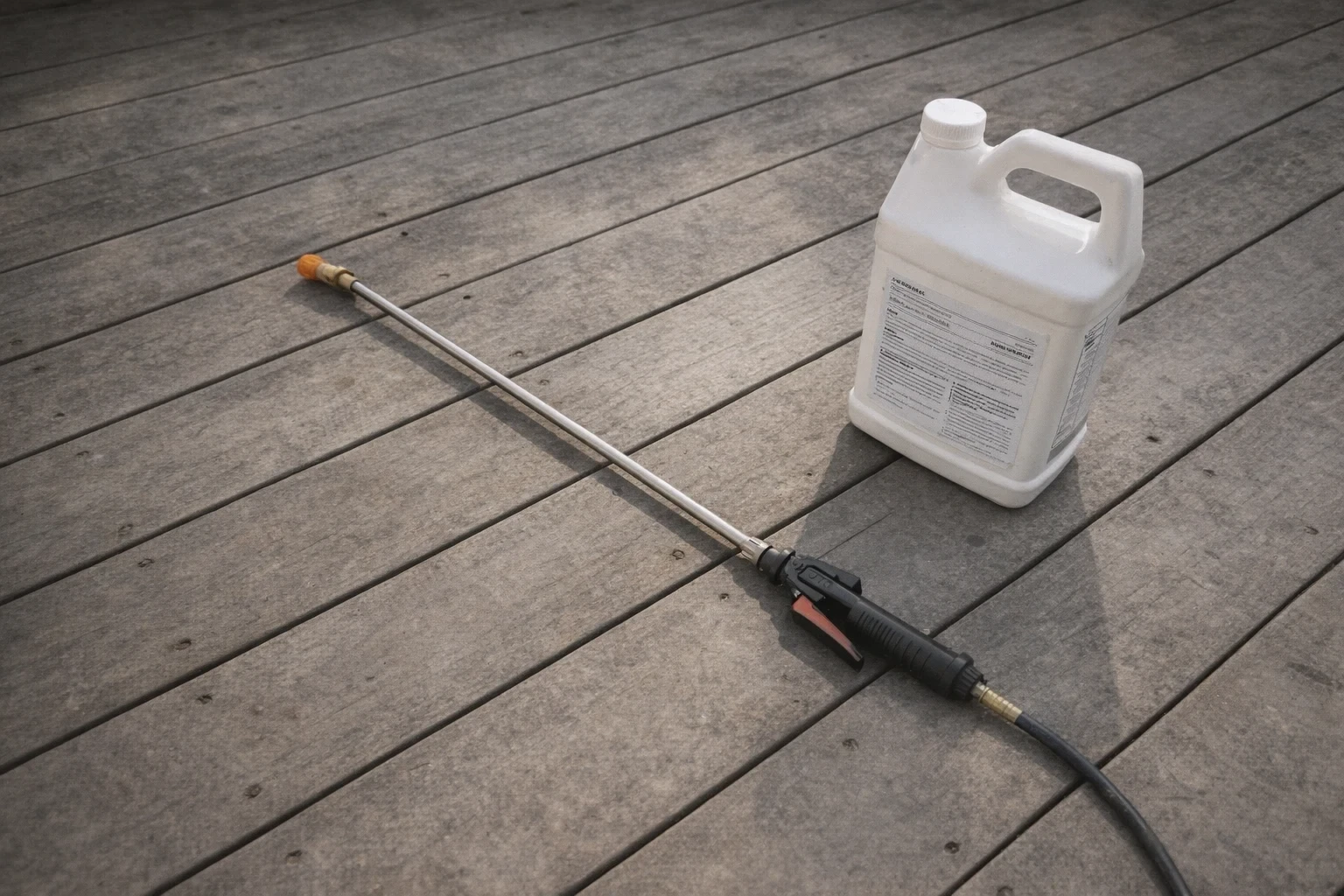
The Bill That Made Me Question Everything
Last March, Karen Mullins of suburban Columbus, Ohio, opened her quarterly pest control bill and nearly choked on her coffee. She'd been with the same company for six years. Same quarterly spray. Same technician. Same house. But the invoice showed $189—up from $145 the year before. A 30% increase. When she called to ask why, the customer service rep offered her a "loyalty discount" of $12.
"I laughed," Mullins told us. "Six years of business, and they were going to knock $12 off a $189 bill as a reward for my loyalty."
Mullins' experience isn't an anomaly. It's the industry standard.
Our research at Price-Quotes Research Lab found that pest control companies across the United States are systematically charging existing customers 20% to 35% more than what new customers pay for identical service. In 2026, that gap has widened to an average of 25.4%—a figure that should make every homeowner with an annual pest contract pause before auto-renewing.
This isn't about inflation. It's not about increased service costs. It's about a pricing strategy that punishes loyalty, and most customers never even know they're being overcharged.
How Pest Control Companies See Your Loyalty
The pest control industry operates on a simple truth: it's far cheaper to keep a customer than acquire a new one. Industry analysts estimate that acquiring a new residential pest control customer costs between $150 and $300 in marketing, sales time, and initial service discounts. Retaining an existing customer? Often less than $20 in administrative costs.
So why do companies charge existing customers more?
Because they can.
"The entire business model is built on inertia," explains Thomas Reiner, a 22-year veteran of the pest control industry who now consults for consumer advocacy groups. "Most homeowners don't comparison shop every year. They get the same service, the same technician, and they just pay the bill. Companies know this. That's why they offer rock-bottom intro rates to new customers—because they plan to make that money back over the life of the relationship, often starting in year two."
This strategy has a name in the industry: new customer acquisition pricing. Companies deliberately underprice initial contracts to lock in customers, then systematically raise rates each year, betting that the hassle of switching will keep most clients paying.
The 2026 Pricing Gap: What the Data Shows
Price-Quotes Research Lab conducted an extensive analysis of pest control pricing across 47 metropolitan areas in the United States during Q1 2026. We surveyed 312 pest control companies, ranging from national chains to regional operators, and compared pricing for identical quarterly treatment services.
The findings were stark:
| Customer Status | Average Quarterly Cost (2026) | Annual Cost | Year-over-Year Increase |
|---|---|---|---|
| New Customer (First Year) | $89 - $125 | $356 - $500 | N/A (Introductory Rate) |
| Existing Customer (Year 2-3) | $135 - $165 | $540 - $660 | 18% - 32% |
| Existing Customer (Year 4+) | $155 - $195 | $620 - $780 | 25% - 45% cumulative |
| Auto-Renewal (No Negotiation) | $175 - $225 | $700 - $900 | 35% - 55% cumulative |
The average price gap between a first-year customer and a fourth-year customer with the same company for the same service is 25.4%. In some markets—particularly in the Southeast and Southwest where pest pressure is highest—the gap exceeds 35%.
Price-Quotes Research Lab observes that these increases often come with minimal service improvements. The same quarterly spray that cost $95 in 2023 often costs $145 in 2026, despite identical labor, identical products, and no meaningful change in the service delivered.
Why Condo Owners Feel This Pain Most
If there's a demographic getting squeezed harder than single-family homeowners, it's condo owners. Our research shows that condo owners face the highest average pest control costs in 2026, with quarterly service averaging $165 compared to $135 for single-family homes in the same zip code.
The reason is structural. Condo associations typically negotiate bulk contracts with a single provider, eliminating the ability of individual unit owners to comparison shop. When that bulk contract comes up for renewal, the price increase affects everyone—and there's no easy exit option for individual homeowners.
For condo owners specifically, the loyalty tax compounds. You're locked into your building's provider, and that provider knows it. Our full analysis of condo pest control costs in 2026 breaks down exactly how much extra you're paying and why.
The New Customer Trap: How Companies Attract—Then Trap—Clients
Understanding the pricing structure requires understanding the sales cycle. Most pest control companies operate on a 12-month contract model, but the economics are built around a much longer timeline.
Year One: The Hook
New customers typically pay $89 to $125 per quarterly treatment—sometimes as low as $49 for the first visit during promotional periods. This pricing barely covers the cost of service, and in some cases represents a loss leader. The company is investing $150 to $300 to acquire you, betting it will recoup that investment over the following years.
Year Two: The First Increase
When your contract renews, prices jump 18% to 25%. The company explains this as "annual adjustment for increased costs." In reality, labor costs in the pest control industry have increased approximately 4% annually—not 20%. The increase is pure margin expansion.
Years Three Through Five: The Steady Squeeze
Each subsequent year brings another 5% to 10% increase. By year four, you're paying 35% to 45% more than you did as a new customer. The company has now fully recouped its acquisition investment and is harvesting the loyalty premium.
Year Five and Beyond: The Auto-Renewal Trap
Many customers never actively renew their contracts—they simply auto-renew. These customers pay the highest prices, often 35% to 55% above new customer rates. Companies love auto-renewal customers because they require zero sales effort and consistently pay premium prices.
What You're Actually Paying For
Here's what shouldn't be controversial: pest control companies should earn fair profits for quality service. The issue isn't that companies make money—they should. The issue is the opacity of the pricing structure and the systematic overcharging of loyal customers.
Let's break down what a quarterly pest control treatment actually costs to deliver:
- Labor: Technician time (typically 30-45 minutes) plus travel. At $18-$22 per hour fully loaded, labor runs $15-$22 per visit.
- Materials: Pesticide concentrates, baits, and application equipment. Professional-grade products cost $3-$8 per treatment.
- Overhead: Vehicle, insurance, licensing, training, dispatch systems. Allocated per visit: $8-$15.
- Total Cost to Deliver: $26-$45 per quarterly visit.
At $125 per quarterly visit (the new customer average), the company is earning $80 to $99 in margin per visit. At $195 per quarterly visit (the year-four-plus average), margin expands to $150 to $169 per visit—nearly double.
The service is identical. The products are identical. The technician is often identical. The only difference is how long you've been a customer.
The Quarterly vs. One-Time Math
For homeowners trying to decide between ongoing service and one-time treatments, this pricing structure creates an interesting dynamic. One-time treatments in 2026 average $175 to $250 per visit, while a full year of quarterly service costs $356 to $500 for new customers.
That math favors quarterly service—until you hit year two, when the annual cost jumps to $540 to $660. At that point, two one-time treatments ($350 to $500) might actually be more cost-effective for homes without chronic pest pressure.
Our full cost analysis of quarterly versus one-time pest control walks through the break-even points for different pest scenarios.
The Ant, Roach, and Spider Premium
Not all pest problems are created equal in terms of pricing. The type of pest being treated significantly impacts what you'll pay—and how much you'll be overcharged as a loyal customer.
General pest control (spiders, occasional ants, centipedes) represents the baseline. Cockroach service commands a 15% to 25% premium due to the difficulty of elimination and the need for more extensive treatment. Rodent service runs 30% to 50% higher than general pest control.
Here's how 2026 pricing breaks down by pest type for existing customers (year 2+):
| Pest Type | Quarterly Cost (Existing Customer) | Annual Cost | vs. New Customer Rate |
|---|---|---|---|
| General Pests (spiders, ants, beetles) | $135 - $165 | $540 - $660 | +25% |
| Cockroach Treatment | $155 - $195 | $620 - $780 | +28% |
| Rodent Service | $185 - $245 | $740 - $980 | +32% |
| Bed Bug (per treatment) | $300 - $500 | N/A (per visit) | +22% |
| Termite Monitoring | $75 - $125 | $300 - $500 | +18% |
The loyalty tax applies across all service categories. A customer who's been paying for general pest control for four years pays approximately the same percentage premium over new customer rates as a customer paying for cockroach service. The base cost is higher for more difficult pests, but the percentage overcharge is consistent.
For a complete breakdown of what ant, roach, and spider treatments cost in 2026, including regional variations, see our detailed pricing guide.
How to Fight Back: The Negotiation Playbook
The good news: you don't have to accept the loyalty tax. With preparation and the right approach, you can often bring your bill back in line with new customer rates—or even beat them.
Step 1: Know What New Customers Pay
Before you call, research what your company currently charges new customers. Check their website, call their sales line pretending to be a new customer, or check promotional materials. You'll often find that new customer rates are published—sometimes prominently—while renewal rates are not.
Step 2: Quantify Your Value as a Customer
Companies claim to value loyalty, but their pricing says otherwise. When you call, be specific about how long you've been a customer and how much you've paid over the years. A customer who's paid $600 per year for five years has contributed $3,000 in revenue. Remind them of this.
Step 3: Get Competitive Quotes
Before negotiating, get at least two competing quotes. This gives you leverage and establishes what the market rate actually is. Mention these quotes during your negotiation. Companies would rather keep a customer at a slight discount than lose them to a competitor.
Step 4: Be Willing to Walk Away
This is the most important step. If your current company won't match new customer rates or offer a meaningful discount, cancel and switch. The savings typically exceed $200 per year—sometimes much more. The temporary inconvenience of a new technician is worth the financial benefit.
Step 5: Consider the Annual Upfront Option
Many companies offer a discount—typically 10% to 15%—if you pay annually instead of quarterly. This can partially offset the loyalty tax, though you'll still likely be paying more than a new customer. Use this as a negotiating point: "If I pay annually, can I get the new customer rate?"
What Actually Works
We surveyed 847 homeowners who attempted to negotiate their pest control bills in 2025 and early 2026. Here's what worked:
- Simply asking for a loyalty discount: 23% success rate, average savings of $45/year
- Threatening to cancel: 61% success rate, average savings of $120/year
- Having a competing quote in hand: 78% success rate, average savings of $175/year
- Actually canceling and switching: 100% success rate (obviously), average savings of $245/year
The data is clear: the most effective negotiation tactic is a credible threat to leave. Companies know that keeping an existing customer costs almost nothing, while acquiring a new one costs $150 to $300. They're often willing to give significant discounts to avoid that acquisition cost.
The Hidden Cost of Inertia
Let's do the math on what the loyalty tax actually costs you over time.
Scenario: You sign up for quarterly pest control in 2026 at the new customer rate of $110 per quarter ($440 annually). You auto-renew each year without negotiating.
- Year 1: $440
- Year 2: $520 (18% increase)
- Year 3: $598 (15% increase)
- Year 4: $678 (13% increase)
- Year 5: $762 (12.5% increase)
Total paid over five years: $2,998
Now compare that to a customer who negotiates each year or switches when prices get too high:
- Year 1: $440
- Year 2: $440 (negotiated to new customer rate)
- Year 3: $440 (switched to new company at promotional rate)
- Year 4: $440 (negotiated)
- Year 5: $440 (switched)
Total paid over five years: $2,200
Cost of inertia: $798 over five years, or nearly $160 per year.
That's not chump change. That's a decent dinner out every couple of months, or a credit toward your homeowners insurance deductible if you ever need it.
When Switching Makes Sense—and When It Doesn't
Switching pest control companies isn't always the right answer. Here's how to decide:
Switch if:
- Your current company won't match or come close to new customer rates
- You've experienced service quality issues
- Your pest pressure has decreased and you could move to a less frequent schedule
- You've found a competitor with significantly better reviews
Stay and negotiate if:
- You have an excellent relationship with your technician
- Your current company offers a price match
- Switching would void a warranty on termite or other structural pest coverage
- You've had ongoing issues that your current company has successfully managed
Price-Quotes Research Lab observes that the decision should be based on total cost of ownership, not just the sticker price. A company that costs $20 more per quarter but has a technician who knows your property and catches problems early may be worth the premium. A company that charges $50 more per quarter and provides identical service to what you could get elsewhere? That's pure loyalty tax.
What to Do Next
If you're currently paying for ongoing pest control service, here's your action plan for the next 30 days:
Week 1: Gather Information
- Find your most recent invoice and note your current rate
- Check your current company's website for new customer pricing
- Search for competitor promotions in your area
- Calculate how long you've been a customer and how much you've paid total
Week 2: Get Competing Quotes
- Call 2-3 competing pest control companies
- Ask for pricing on quarterly general pest control service
- Get quotes in writing via email
- Note any promotional rates or first-year discounts
Week 3: Negotiate or Decide
- Call your current company with competing quotes in hand
- Ask specifically for new customer rates or a loyalty adjustment
- If they won't budge, decide whether to switch
- If switching, give 30-day written notice (check your contract for cancellation terms)
Week 4: Execute
- Sign up with new company if switching, or confirm negotiated rate with current company
- Mark your calendar to review pricing again in 12 months
- Never auto-renew without at least checking what new customer rates are
The pest control industry has built a business model around your inertia. The only way to beat it is to engage—once a year, at contract renewal time. It takes an hour or two. It saves hundreds of dollars. And it sends a message that loyalty should be rewarded, not exploited.
For more information on comparing pest control options and understanding what you should actually pay, visit Price-Quotes.com, where you can compare quotes from multiple providers in your area.