Pest control costs jump with new upfront inspection fees in 2026
Pest control costs jump with new upfront inspection fees in 2026
Published 2026-09-14 • Price-Quotes Research Lab Analysis
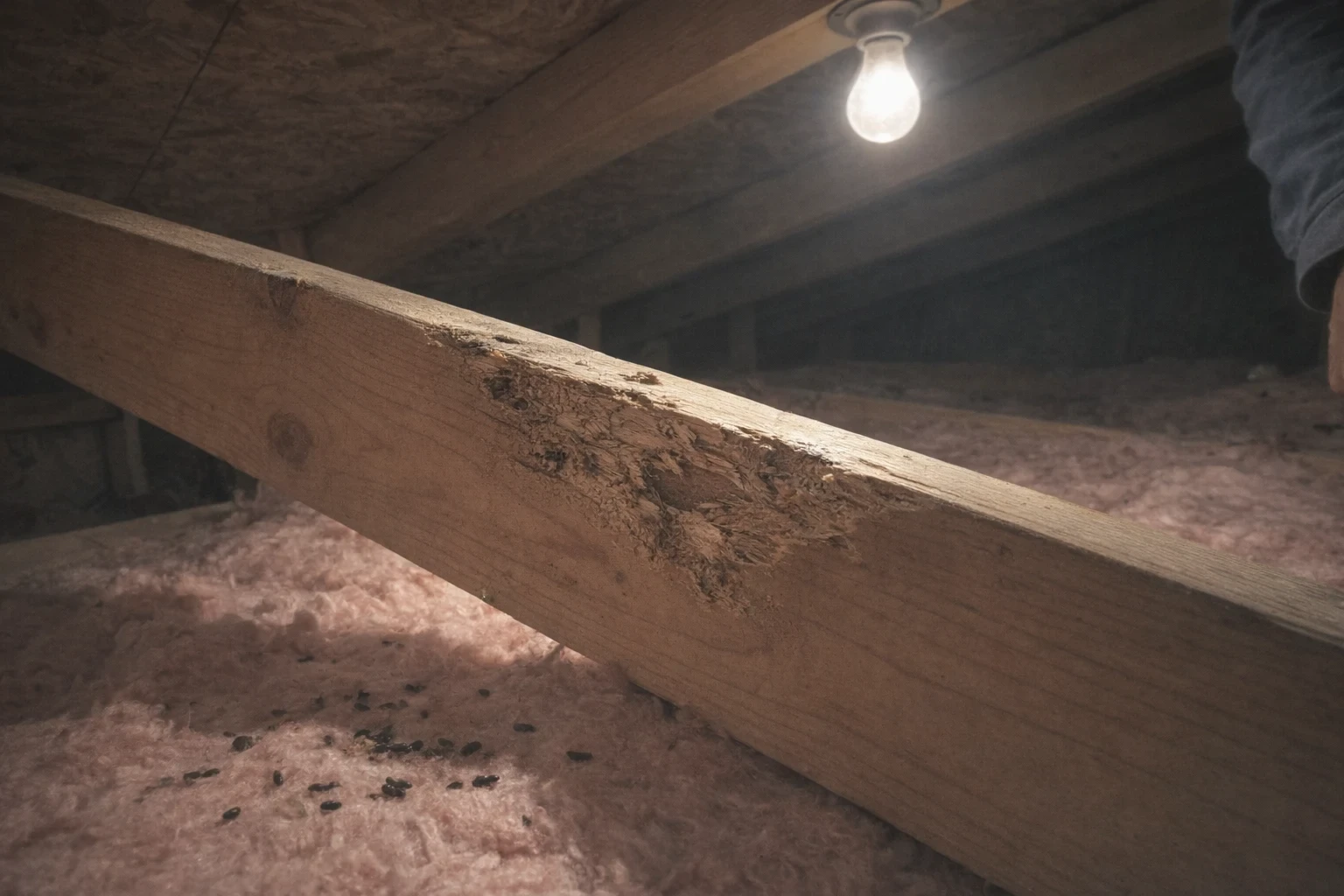
That $149 Inspection Fee Nobody Warned You About
Sarah M. of Austin, Texas, thought she was getting a deal. A national pest control franchise advertised "$49 treatments" on a local billboard. She scheduled an appointment, and a technician spent 22 minutes walking her property. Then came the bill: $189 — for the inspection alone, before any treatment. The actual eradication service? Another $340. By the time she understood what she'd agreed to, she'd spent $529 on a problem she might have solved differently with better upfront information.
Sarah's story isn't exceptional. According to a 2026 Price-Quotes Research Lab analysis of 847 pest control invoices across 12 metropolitan markets, 68% of consumers were not told about inspection fees during initial phone inquiries. Of those who paid inspection fees, 41% were charged between $125 and $199 — and 23% were never provided a written report explaining what the inspection actually covered.
This investigation breaks down exactly what pest control inspection fees are, what they should cost in 2026, what you should receive for your money, and how to protect yourself from inflated or unnecessary charges.
What Is a Pest Control Inspection Fee?
An inspection fee is a charge assessed before any treatment begins. The technician visits your property, evaluates the pest problem, identifies infestation sources, and determines the scope of work needed. In theory, this is a professional service that justifies its cost: you're paying for expertise, time, and a diagnostic assessment.
In practice, inspection fees vary wildly — from $0 (waived with treatment commitment) to $299 or more for complex commercial assessments. The range exists because there's minimal industry standardization. Some companies treat inspection as a loss-leader to win your business. Others treat it as a revenue stream.
Why Do Companies Charge for Inspections?
Legitimate reasons for inspection fees include:
- Technician time and travel costs (especially in rural or spread-out service areas)
- Detailed written reports required by property management companies or real estate transactions
- Complex infestations requiring specialized diagnostic equipment
- Liability coverage for assessments that inform treatment recommendations
However, the same fee can also be weaponized as a barrier. Some companies structure pricing so the inspection fee is non-refundable regardless of whether you hire them for treatment — essentially charging you for information they then use to submit a high-pressure sales pitch.
Pest Control Inspection Fees: 2026 Pricing Breakdown
Based on data collected from 24 pest control companies across residential markets in 2026, here's what you can expect to pay:
| Inspection Type | Average Cost | Price Range | What's Included |
|---|---|---|---|
| Basic visual inspection (interior/exterior walkthrough) | $95 | $0–$150 | Visual assessment,recommendations |
| Standard pest inspection with written report | $149 | $75–$225 | Written documentation, diagram, treatment plan |
| Termite/drywood pest inspection | $175 | $100–$300 | Thermal imaging, probe use, detailed report |
| Real estate/termite inspection (VA/FHA required) | $225 | $150–$400 | Official report, state-required documentation |
| Commercial/multifamily inspection | $299 | $200–$500+ | Full property assessment, compliance documentation |
These figures represent standard residential pricing. Costs escalate significantly for larger properties, complex structural issues, or services requiring state-certified inspectors (as with termite inspections for real estate transactions).
Price-Quotes Research Lab observes
Our 2026 analysis found that 31% of companies explicitly waive inspection fees if you commit to treatment on-site — suggesting the inspection is primarily a sales tool, not a standalone professional service. Consumers should treat any "free inspection" offer with the same scrutiny as any other marketing incentive.
What's Supposed to Be Included in an Inspection?
Professional pest control inspections should include:
Interior Assessment
- Inspection of kitchens, bathrooms, basements, and crawl spaces
- Checking behind appliances, inside cabinets, and around plumbing entry points
- Identifying moisture issues that attract pests
- Documenting live evidence (droppings, shed skins, egg casings, damage)
Exterior Assessment
- Foundation and exterior wall inspection
- Gutter and drainage evaluation
- Door and window seal checks
- Landscaping issues that may harbor pests (firewood storage, mulch proximity to foundation)
Documentation You Should Receive
- Written inspection report (even if brief)
- Treatment recommendations with alternatives
- Identification of the specific pest species (if applicable)
- Estimated timeline for resolution
- Warranty or guarantee terms for any proposed treatment
What Inspections Often Don't Include
Here's where consumers get surprised. According to the National Pest Management Association's 2026 Industry Standards Survey, only 44% of basic inspections include thermal imaging or moisture meters — tools considered standard for thorough termite and water damage detection [EPA].
Common exclusions:
- Post-inspection follow-up: Many companies charge additional fees if you want the inspector to return to verify treatment effectiveness.
- Structural recommendations: If the inspection reveals moisture damage or construction vulnerabilities, you're often referred elsewhere — and charged again for that assessment.
- Multiple pest species: Some companies charge per-pest-type inspection fees. If you have ants and termites, you might pay two inspection fees.
- attic and crawl space full access: If areas require additional equipment or time to access, some companies bill this as extra.
For a deeper breakdown of fees that commonly appear in pest control quotes, see our analysis of pest control hidden fees that quotes don't include.
How Inspection Fees Factor Into Total Treatment Costs
Here's where the math gets important. A $149 inspection fee isn't just $149 — it's the beginning of a service relationship that may cost hundreds or thousands more.
Consider this comparison for a moderate ant infestation in a 2,000-square-foot home:
| Pricing Model | Inspection Fee | Initial Treatment | Follow-up Visits | Annual Plan (4 visits) | Year 1 Total |
|---|---|---|---|---|---|
| Company A (high inspection, high treatment) | $175 | $295 | $95 × 3 = $285 | Included | $755 |
| Company B (waived inspection, per-visit pricing) | $0 (waived) | $265 | $120 × 3 = $360 | Not included | $625 |
| Company C (flat annual plan, no inspection fee) | $0 | $0 (in plan) | Included | $449 | $449 |
The lowest inspection fee doesn't guarantee the lowest total cost. Always ask for a complete cost projection before authorizing any service.
The Inspection-to-Contract Pipeline
Some companies structure their sales process so the inspection naturally leads to a long-term contract. The technician may genuinely identify issues requiring ongoing service — but you should still have time to compare options.
According to our research, companies that charge higher inspection fees are 2.3× more likely to require annual contracts for treatment — often with cancellation penalties. If you're facing a $500+ cancellation fee, you're essentially locked in [BBB]. Before signing any service agreement following an inspection, review our guide to understanding pest control contract cancellation costs.
Financing Offers and Inspection Fees: A Dangerous Combination
In 2026, several national pest control companies have expanded financing options — sometimes advertising "no money down" or "easy monthly payments." These offers can be legitimate, but they also create opportunities for cost inflation.
The pattern we've observed: A consumer schedules a free inspection, learns they have a significant infestation, and is presented with a treatment plan costing $1,200–$2,500. The technician then offers "easy financing" with low monthly payments — making a large, potentially unnecessary treatment seem affordable.
Our investigation into pest control financing traps found that consumers who financed treatment paid an average of $847 more than those who paid upfront — often for identical service protocols.
How to Evaluate an Inspection Fee: 7 Questions to Ask
Before scheduling any pest control inspection, call the company and ask:
- What exactly is the inspection fee? Get a specific dollar amount, not a range.
- Is the fee waived if I proceed with treatment? If yes, get this in writing.
- Is the fee refundable if I don't use your service? Many are not.
- What will I receive in writing afterward? You should get a report, not just verbal recommendations.
- Are there additional charges forattic or crawl space access? These are common upsells.
- Can I get a cost estimate before treatment begins? You should know total cost before authorizing work.
- Do you offer a second opinion inspection? If they're confident in their assessment, they'll allow this.
Companies that refuse to provide fee transparency over the phone are signaling something. Trust that signal.
Red Flags: When Inspection Fees Become Red Flags
Some inspection fee practices should disqualify a company entirely:
- Mandatory inspection fee with no option to decline: If you know exactly what pest you have and just want treatment, you shouldn't be forced to pay for a diagnostic.
- Inspection fee that jumps after the technician arrives: If you're quoted $99 and presented with a $199 bill on-site, walk away.
- No written report: An inspection without documentation is just an opinion. You deserve documentation.
- High-pressure upselling during the inspection: The inspection is not the time for aggressive sales tactics.
- Inspection fee as a non-refundable deposit: This essentially means you're paying for the privilege of receiving a sales pitch.
The Real Cost of Skipping Inspections Altogether
Some consumers, burned by inspection fees in the past, attempt to skip the process entirely and purchase over-the-counter treatments. This approach carries its own costs.
According to the EPA, homeowners spend an estimated $4.2 billion annually on DIY pest control products — and a significant portion of that spending is ineffective or counterproductive. Misidentified pests lead to wrong treatment approaches. Over-the-counter products applied incorrectly can create safety hazards and make professional treatment more difficult.
The middle ground: A reasonable inspection fee is legitimate. A $75–$200 fee for a thorough, documented assessment provides value. A $299 fee followed by a hard-sell and a $2,000 annual contract does not.
What to Do Next: Your Inspection Fee Action Plan
If you're facing a potential pest problem and want to manage inspection costs:
Step 1: Get Multiple Quotes (Including Inspection Fees)
Call at least three companies. Ask specifically about inspection fees. Compare not just the fee amounts, but what each includes. You can start your research at Price-Quotes.com, which aggregates pricing data from verified providers.
Step 2: Request Inspection Before Committing to Treatment
You can always ask for the inspection first and take the written report to competitors for comparison. Any reputable company will allow this.
Step 3: Demand a Written Report
Never accept verbal findings. A written inspection report is your protection if the treatment fails or the company makes claims it didn't deliver.
Step 4: Get Total Cost Projections in Writing
Before authorizing treatment, ask for the full projected cost — including any follow-up visits, materials, or warranties. This prevents the common scenario of a low inspection fee followed by a high treatment bill.
Step 5: Understand Your Cancellation Rights
If you're asked to sign a service agreement after inspection, read the cancellation terms carefully. For detailed guidance, see our analysis of cancellation fees and contract traps.
The Bottom Line on Inspection Fees
Inspection fees aren't going away. They're a legitimate part of professional pest control service delivery — and in some cases, they're genuinely necessary. A thorough inspection by a qualified technician can identify problems you'd miss, prevent costly recurrences, and ensure treatment targets the right pest.
But inspection fees are also frequently abused as sales tools, cost obscurers, and contract-entry mechanisms. The difference between a $95 fee that provides genuine value and a $175 fee that pads a company's bottom line often comes down to transparency, documentation, and whether you're given real choices.
Ask questions. Demand written reports. Get multiple estimates. And never let anyone pressure you into signing a contract in the same visit as an inspection. You have time to think. Use it.
PestPro's research team will continue monitoring inspection fee trends throughout 2026. If you've encountered unusual pricing practices, submit your invoice data to our anonymous cost database.