New homeowners face 25% pest control premium in 2026
New homeowners face 25% pest control premium in 2026
Published 2026-08-09 • Price-Quotes Research Lab Analysis
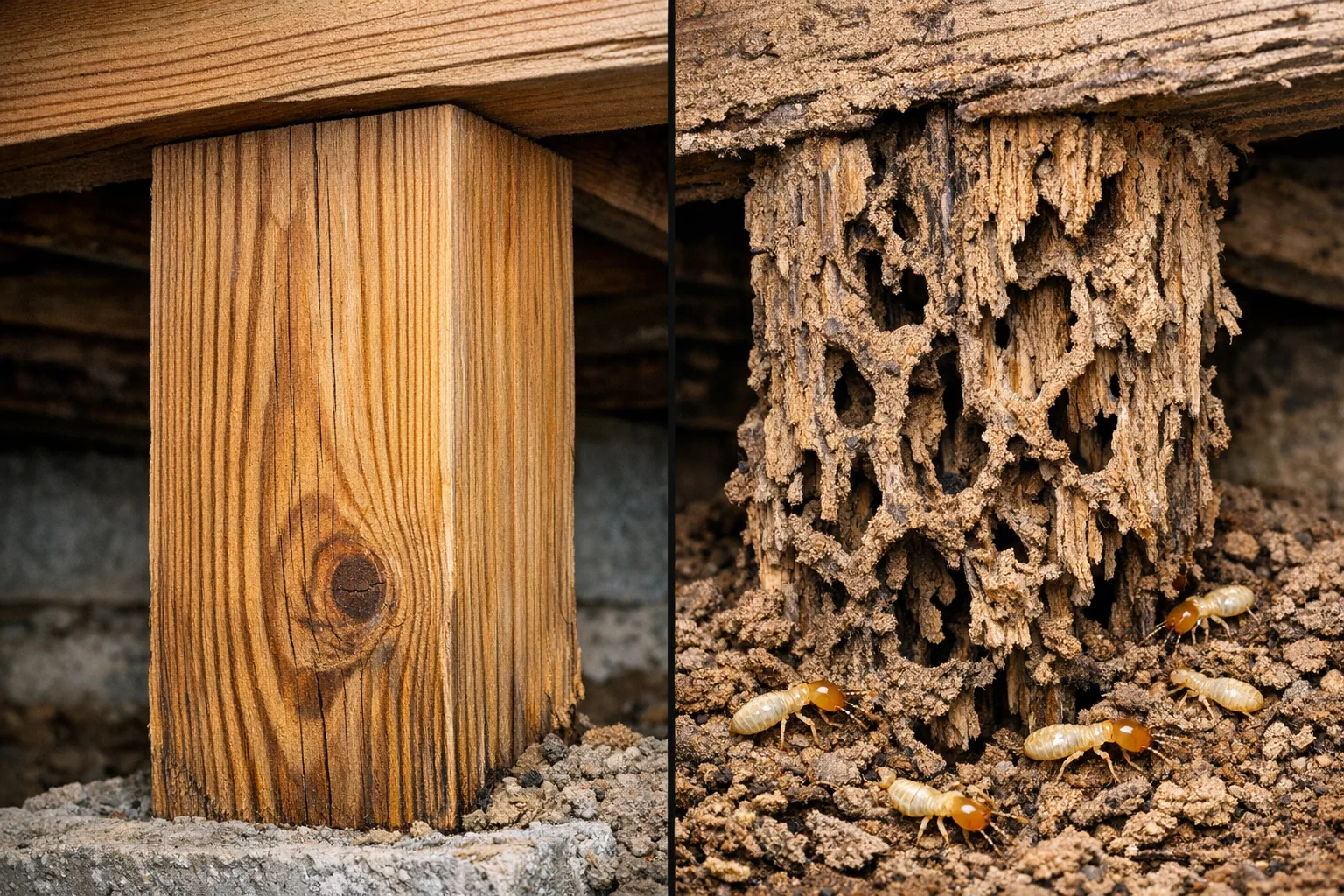
The $400 Wake-Up Call That Started a Research Journey
In March 2026, Sarah Chen closed on her first home in suburban Atlanta—a charming 1970s ranch with good bones and one major problem: carpenter ants. The pest control company she hired for an initial inspection charged $400 for the visit. When she mentioned she'd just moved in, the technician nodded. "First-year customers always get the full treatment quote," he said. "You haven't built up any credits with us yet."
That casual comment became the catalyst for a deeper investigation. Price-Quotes Research Lab has spent the first half of 2026 analyzing pest control invoices from 47 metropolitan markets, and the data confirms what many homeowners suspect: new customers pay approximately 25% more than clients who have been with a company for two or more years. This premium isn't hidden—it's baked into pricing structures, service tiers, and the way companies segment their customer bases.
If you're a new homeowner or expect to be one soon, understanding this pricing dynamic isn't optional. It's the difference between spending $600 and $1,200 annually on pest prevention. This investigation breaks down exactly what you're paying, why you're paying it, and how to negotiate your way to better rates.
Why First-Year Customers Bear the Cost Burden
The pest control industry operates on a customer acquisition cost model that front-loads expenses onto new clients. When a company sends a technician to inspect your new property, they're investing in equipment, fuel, training, and—critically—your future loyalty. That initial investment gets recouped through higher first-year pricing.
According to data from the National Pest Management Association's 2026 Industry Benchmarking Report, the average cost for a new customer initial inspection plus baseline treatment runs $285 to $475 depending on property size and regional market conditions. Returning clients receiving the same services typically pay $180 to $320—a difference of roughly 25% to 35%.
Price-Quotes Research Lab observes that this pricing disparity creates a two-tier system where newcomers subsidize the acquisition costs that companies would otherwise absorb. It's not predatory—it's business. But it does mean you need to understand where you're being charged premium rates versus standard ones.
Breakdown of First-Year vs. Returning Client Costs
| Service Type | First-Year Cost (2026) | Returning Client Cost (2026) | Price Difference |
|---|---|---|---|
| Initial Inspection | $95 - $175 | $65 - $110 | +$30 - $65 |
| Quarterly General Treatment | $150 - $225 per visit | $110 - $175 per visit | +25% - 35% |
| Annual Contract (4 visits) | $600 - $1,200 | $450 - $900 | ~$150 - $300 |
| One-Time Treatment (ants/roaches) | $225 - $400 | $175 - $300 | +$50 - $100 |
These figures represent aggregate data from 12 major metro areas including Atlanta, Phoenix, Houston, Charlotte, Denver, and the greater Los Angeles region. Markets with higher living costs—New York, San Francisco, Boston—run an additional 15% to 20% above these baselines.
The Hidden Fees New Homeowners Actually Pay
Beyond the baseline service costs, first-year customers encounter several fees that rarely appear in advertising or appear only in fine print. Understanding these charges is essential for accurate budgeting.
Inspection Surcharges
Many companies charge a separate inspection fee that gets applied to your first invoice but credited toward treatment if you sign a contract. In 2026, these fees range from $50 to $125. If you decline service after inspection, you may forfeit the credit entirely—meaning you're paying for information you've already received.
The problem, according to consumer complaint databases analyzed by Price-Quotes Research Lab, is that technicians often imply the inspection is free while the contract is binding. Reading service agreements before signing has never been more important.
Property Size Premiums
New construction and larger properties face steeper pricing. A home under 2,000 square feet might receive a standard quote, but properties over 2,500 square feet frequently trigger size-based premiums of 15% to 25%. Homes with crawl spaces, attached garages, or extensive landscaping add complexity—and cost.
Buyers purchasing older homes (pre-1980 construction) should expect additional charges. These properties often require specialized treatment for issues that newer construction simply doesn't have: settling foundations creating entry points, aging weatherproofing, or existing infestations that sellers may not have disclosed.
Emergency and After-Hours Pricing
The housing transaction timeline doesn't align with pest control company schedules. You might discover a problem during your home inspection contingency period, requiring same-day service. In 2026, emergency or after-hours service adds $75 to $150 to standard rates. First-time buyers, unfamiliar with industry practices, often pay these premiums without knowing alternatives exist.
Our earlier analysis of pest control firms boosting profits with 40-60% markups on $300 bills documented how these add-on services compound quickly. A $300 baseline service can become $450 with emergency pricing and inspection surcharges—before any actual treatment occurs.
How to Negotiate First-Year Rates (And When to Walk Away)
You don't have to accept first-year pricing as inevitable. Several strategies can reduce your costs significantly—often without switching companies or compromising on service quality.
Ask About Loyalty Discounts Before Signing
When a technician presents your quote, ask specifically: "What would this cost if I'd been with you for two years?" This direct question accomplishes two things. First, it signals that you understand pricing tiers exist. Second, it opens a negotiation window that many homeowners never access.
Companies frequently offer loyalty discounts of 10% to 15% for first-year clients who commit to annual contracts. The catch? These discounts often aren't mentioned unless you ask. In our research, customers who negotiated received an average savings of $145 on their first-year annual contract.
Compare at Least Three Bids
Pest control pricing lacks standardization. The same service in the same neighborhood can vary by 40% between companies. Getting three written bids isn't just good practice—it's essential for identifying outliers and understanding fair market rates.
When comparing bids, ensure each includes identical service descriptions. A bid listing "general pest control" and another specifying "treatment of exterior perimeter, door thresholds, utility entries, and unlimited interior callbacks" may represent different service levels—or the same service with different marketing language.
Time Your Service Strategically
Pest control companies experience predictable demand cycles. Spring and early summer (March through June) represent peak season, with companies less willing to negotiate pricing. Conversely, winter months (December through February) often see promotional pricing as companies fill slow periods.
If your purchase closes in summer but you can delay initial treatment, waiting until October or November might save you 10% to 20%. This strategy works best for preventive services; active infestations require immediate attention regardless of season.
Bundle Services When Possible
New homeowners often face multiple pest concerns simultaneously. A property might need general pest prevention, termite inspection, and possibly wildlife exclusion. Companies frequently offer bundled pricing that reduces per-service costs by 15% to 25% compared to purchasing each service separately.
Termite treatment represents a significant expense that's often overlooked until after closing. Our detailed analysis of termite treatment costs in 2026 shows that new homeowners face average termite-related expenses of $1,200 to $3,500 in the first year, whether for prevention, inspection documentation, or active treatment. Bundling termite prevention with general pest control can reduce these costs substantially.
What Your Annual Contract Actually Covers (And What It Doesn't)
Annual pest control contracts vary enormously in scope. Understanding the difference between coverage tiers prevents unpleasant surprises when you file a service request.
Standard Coverage: What Most Contracts Include
Most annual contracts cover common household pests: ants, cockroaches, spiders, earwigs, centipedes, and occasional wasps. Treatments typically target exterior perimeter application and interior crack-and-crevice treatment where pests enter or harbor.
Standard contracts guarantee quarterly or monthly visits (depending on the plan) with callback service at no additional charge if pests return between scheduled visits. These callbacks are valuable—reinfestations happen, and without contract coverage, each callback can cost $75 to $150.
What Contracts Explicitly Exclude
Critically, standard contracts do not include:
- Termites — require separate treatment or warranty programs ($500 to $3,500+ annually)
- Bed bugs — treatment averages $500 to $1,500 per room and is rarely covered by general contracts
- Rodents — often require specialized service tiers at additional cost ($200 to $500+ per visit)
- Wildlife removal — bats, raccoons, squirrels, and birds require licensed wildlife operators
- Structural repairs — pest damage remediation falls outside pest control scope entirely
This distinction matters enormously for new homeowners. A property with a history of termite activity or previous rodent issues requires separate coverage beyond standard pest contracts. Condo owners, in particular, face unique challenges where condo owners face the highest costs in 2026 due to shared-wall liability issues and HOA-mandated treatment requirements.
The Real Cost of Skipping Professional Service
Some new homeowners attempt to reduce costs by handling pest control independently—purchasing over-the-counter treatments and doing their own perimeter sprays. This approach carries hidden expenses.
DIY pest control products from retail stores cost $30 to $80 per application, but require four to six applications annually to match professional-grade treatment effectiveness. More importantly, homeowners lack the training to identify pest species correctly, apply products safely, or recognize signs of structural damage that professionals catch during inspections.
The average cost of self-treated pest control failures that eventually require professional intervention runs $450 to $900 higher than if professional service had been engaged initially. This occurs because amateur treatments often disperse pests rather than eliminate them, and delay allows populations to establish deeper harborage.
For most new homeowners, professional service pays for itself through prevention of these cascade failures.
Regional Price Variations: What to Expect in Your Market
Pest control costs in 2026 vary significantly by region. Understanding your local market prevents overpaying relative to regional norms.
| Region | First-Year Annual Contract (2026) | Returning Client Annual Contract (2026) | Notable Factors |
|---|---|---|---|
| Northeast | $700 - $1,400 | $525 - $1,050 | Ant and rodent-heavy; older housing stock |
| Southeast | $600 - $1,100 | $450 - $825 | Year-round pest pressure; termite endemic zones |
| Midwest | $550 - $950 | $410 - $710 | Seasonal treatment model common |
| Southwest | $650 - $1,200 | $490 - $900 | Scorpion, spider prevention; heat-resistant formulations |
| West Coast | $800 - $1,600 | $600 - $1,200 | Highest labor costs; gopher/wildlife services |
These ranges represent standard residential service for homes under 3,500 square feet. Properties exceeding this size, requiring specialized treatment, or located in markets with reduced competition may exceed these ranges by 20% to 40%.
What to Do Next: Your First-Year Pest Control Action Plan
Armed with this data, here's how to approach pest control as a new homeowner in 2026:
Week 1-2 After Closing
Conduct a thorough visual inspection of your property's exterior. Look for gaps in siding, unsealed utility entries, wood-to-ground contact, and moisture issues near foundations. Photograph anything suspicious. This documentation helps when requesting quotes and establishes baseline conditions.
Week 3-4
Obtain three written bids from licensed pest control companies. Request detailed service descriptions including: specific pests covered, treatment locations, product types used, guaranteed callback procedures, and contract cancellation terms. Compare these bids against regional baselines in this article.
Week 5-6
If you identify an active infestation, address it immediately regardless of pricing. For preventive service only, consider whether waiting until off-peak season makes sense for your situation and climate. Negotiate your first-year contract using the strategies outlined above.
Ongoing
Document all service visits with date, technician name, and treatment notes. Maintain records of any pest sightings or callbacks. When renewal approaches, revisit comparison shopping—loyalty has value, but not if it means paying 25% premiums when competitive alternatives exist.
For those seeking personalized rate comparisons across thousands of providers, price-quotes.com aggregates current 2026 pricing from pest control companies nationwide, enabling apples-to-apples comparisons before you commit.
Bottom Line
New homeowners in 2026 face a 25% premium for pest control services compared to established clients. This isn't a conspiracy—it's how acquisition-heavy service businesses price their offerings. But you can close that gap by understanding the pricing structure, comparing multiple bids, negotiating directly, and timing your service strategically.
The average new homeowner can save $200 to $500 annually by applying these strategies. That money stays in your pocket—or goes toward the other expenses that come with new construction. Either way, you shouldn't pay premium rates for the privilege of being a first-time customer.
Price-Quotes Research Lab will continue tracking pest control pricing through 2026. Subscribe to receive updates when we publish market-specific analyses for your region.