The Real Cost of Wildlife Removal: Raccoons, Squirrels, Bats & What Exterminators Actually Charge
The Real Cost of Wildlife Removal: Raccoons, Squirrels, Bats & What Exterminators Actually Charge
Published 2026-04-10 • Price-Quotes Research Lab Analysis
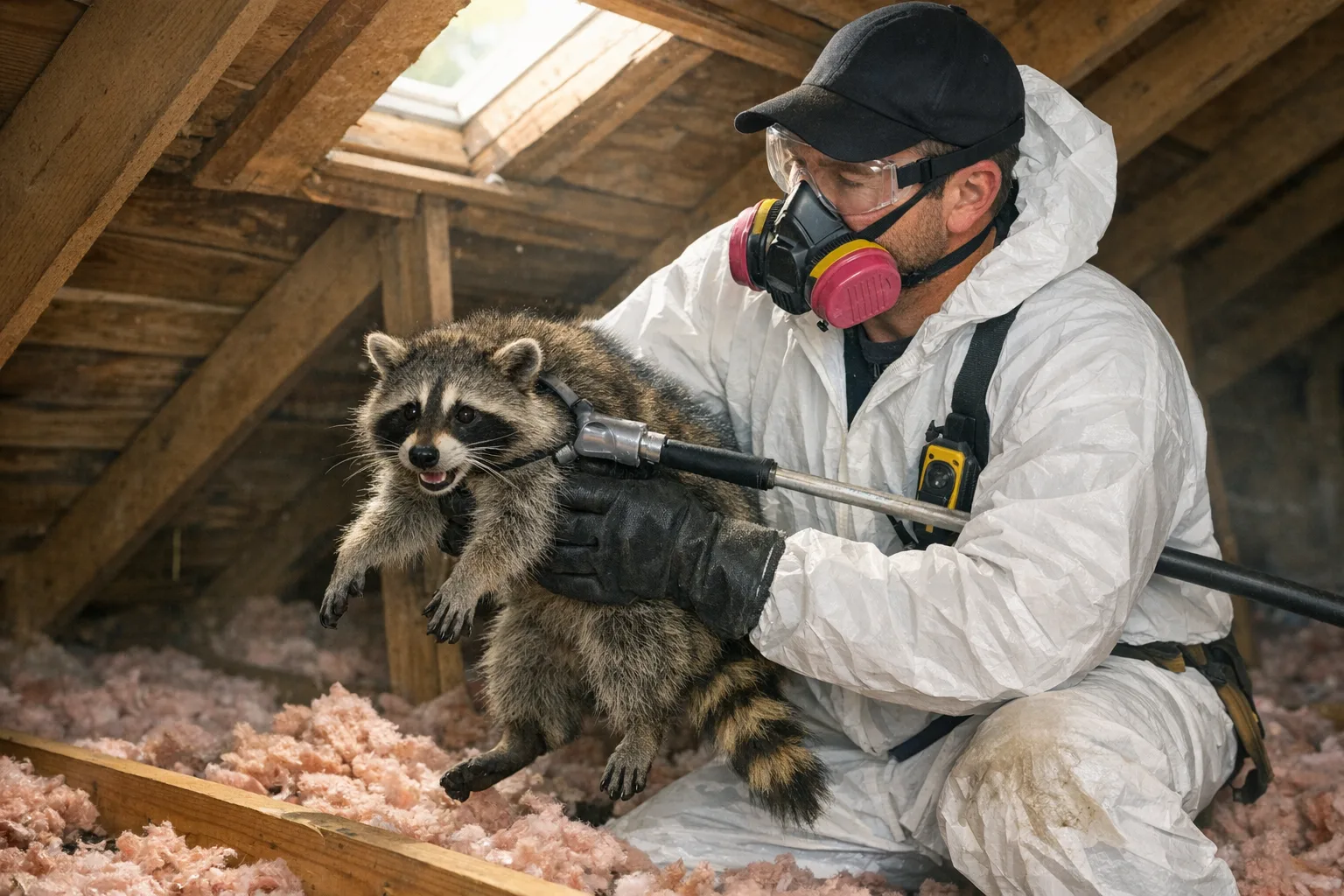
The $1,850 Bill You Didn't Expect: Why Wildlife Removal Costs More Than the Animal Itself
Most homeowners budget $300 to remove a raccoon. They get a $1,850 invoice instead. The gap between expectation and reality isn't vendor greed—it's a fundamental misunderstanding of what wildlife removal actually entails. Price-Quotes Research Lab's analysis of current market rates reveals that animal capture represents as little as 15% of your total bill. The rest? Sealing your house, repairing damage, and preventing the next uninvited tenant.
Understanding these costs before you make that panicked phone call means the difference between a $400 problem and a $2,000 nightmare. Here's what you need to know.
Wildlife Removal Costs at a Glance
The wildlife removal industry doesn't charge by the hour or by the animal. It charges by the problem. According to LatestCost's 2026 pricing survey, total project costs range from $150 to over $2,000, depending on what moved in and how much damage it caused. Here's how typical expenses break down:
- Initial Inspection: $100 – $400 (average: $250)
- Single Animal Removal: $150 – $600 (average: $350)
- Exclusion & Structural Repairs: $300 – $2,000 (average: $900)
- Permits & Regulatory Fees: $0 – $500 (varies by region and species)
- Follow-Up Visits & Guarantees: $50 – $350
Those numbers look reasonable in isolation. Stack them together for a full-service job—inspection, removal, exclusion, repairs, and follow-up—and you're looking at a realistic ceiling of $2,000 to $2,500 for a moderate infestation. Complex raccoon situations in hard-to-access attics routinely hit $3,000 when structural damage is involved.
Raccoon Removal: The $600 Animal That Costs $1,500
Raccoons are the heavyweight champions of home invasions. They weigh up to 30 pounds, possess thumbs (technically pseudo-thumbs), and have no problem tearing through shingles, fascia boards, or vent covers to access your attic. Their intelligence makes them notoriously difficult to trap—many learn to avoid baits or simply relocate through new entry points.
Pest Policy reports that raccoon removal typically costs more than any other common mammal invader. The base trapping and removal runs $300 to $600 for a single adult raccoon, but litters complicate pricing significantly. A mother raccoon with three kits means four animals, multiple trap sets, and significantly more handling time.
The real expense emerges when professionals assess the damage. Raccoons tear, chew, and soil insulation. They nest in attics for years, accumulating droppings that require biohazard protocols. Gotcha Wildlife notes that attic restoration after raccoon habitation often costs $1,000 to $2,500 above and beyond the removal itself. You might pay $500 to trap and relocate the animals, then $2,000 to clean their mess and seal them out permanently.
Factors that push raccoon costs higher:
- Nursery season complications: Removing a mother while kits are still in the attic requires trapping the babies too—or waiting weeks until they're mobile. Neither option is cheap.
- Location of the den: Ground-level access points are straightforward. Raccoons nesting under a second-story deck or inside chimney chases require specialized equipment.
- Structural repairs: Torn soffits, crushed insulation, chewed wiring, and water damage from raccoon-related roof penetrations add $500 to $1,500 in repair costs.
- Legal considerations: Some municipalities require permits for raccoon trapping. Relocation regulations vary by county.
Squirrel Removal: Small Invader, Modest Price
If raccoons are the sledgehammer of wildlife problems, squirrels are the precision tool—smaller, faster, and often more persistent. Gray squirrels and flying squirrels routinely enter homes through roof vents, gaps in siding, or holes near chimney flashings. They breed twice yearly with 2-6 offspring per litter, which means a single entry point can become an infestation surprisingly fast.
The good news: squirrel removal costs less than raccoon removal. HomeGuide's market analysis shows squirrel-specific jobs averaging $300 to $600 for complete service. The breakdown typically includes:
- Inspection fee: $75 – $150 (often credited toward service if you proceed)
- Trapping and removal: $200 – $400 (multiple traps over several days)
- Exclusion and sealing: $100 – $300+ depending on entry points
Flying squirrels cost more. These nocturnal critters colony in groups of 10-20, and their small size makes them difficult to trap. PestControls.blog estimates flying squirrel jobs at $500 to $1,000+ because technicians must locate and seal multiple entry points and address the entire colony, not just individual animals.
What homeowners underestimate about squirrels: they chew constantly. Their teeth never stop growing, so they gnaw on wood, plastic, and even electrical wiring to keep them filed down. A squirrel infestation left untreated creates fire hazards alongside structural damage.
Bat Removal: The Most Expensive 'Affordable' Animal
Bats cost less per animal than raccoons or squirrels—often $200 to $500 for removal services. They also face the most regulatory oversight, making their total project cost comparable to larger mammals.
The average bat job runs $400 to $1,000 total, according to AskDoss's 2026 pricing guide. The reason: most bat species in the United States are protected. You cannot simply trap and relocate them during maternity season (typically May through August). Professionals must install one-way exclusion devices that allow bats to leave but not return, then seal the colony out permanently after they've departed.
This timing constraint means bat jobs often require multiple visits over several weeks. A colony of 50 big brown bats might require:
- Initial inspection and thermal imaging: $150 – $300
- Exclusion device installation: $200 – $400
- Sealing and proofing: $300 – $600
- Follow-up inspection to confirm exclusion: $100 – $200
Bat guano presents additional costs. Accumulated droppings require professional remediation—not just cleanup, but biohazard handling if the colony was large. Histoplasmosis, a fungal infection caused by bat guano, poses genuine health risks. HomeAdvisor notes that specialized cleanup after bat infestations adds $500 to $3,000 depending on the colony size and how long they nested.
Exclusion timing is everything with bats. Professional wildlife operators will schedule exclusions for early fall or late winter, when maternity colonies have dispersed and the full colony is accessible. Attempting removal during summer traps mothers inside, creating ethical and legal liabilities.
Why Exclusion Work Dominates Your Bill
Let's be direct: the animal removal is the cheapest part of wildlife control. BigHow's cost analysis confirms that exclusion and repair work—sealing entry points, installing vent covers, replacing damaged materials—typically represents 50% to 75% of your total invoice.
This isn't padding. Animals don't break into homes once. They establish travel routes. They remember successful entries. Removing the raccoon in your attic does nothing if you leave the torn vent screen that invited it in. Within weeks, another raccoon—or a family of squirrels—finds the same access point.
Professional wildlife operators understand this cycle. Their estimates include exclusion because without it, they're creating future callbacks and warranty claims. Reputable companies offer guarantees—often 1 to 2 years—against re-entry, but those guarantees only hold if the exclusion work was comprehensive.
Common exclusion points that professionals seal:
- Roof vents (soffit and gable)
- Chimney caps and flues
- Fascia and rake boards
- Plumbing and electrical pass-throughs
- Attic access panels and hatches
- Foundation vents
- Gaps in siding and sheathing
Materials matter here. Basic hardware cloth costs less than chimney draft guards or specialized roof vent covers. A contractor who bids $300 for exclusion is probably using cheap materials or skipping hard-to-access areas. The bid that seems high might reflect proper materials and comprehensive coverage.
What Determines Your Final Wildlife Removal Bill?
Beyond animal type, several variables shift quotes significantly:
Property Accessibility
A raccoon living under your deck with easy ground-level access costs far less than one nesting in a vaulted ceiling or behind finished walls. Attics with limited hatch sizes require ladder work and tight crawl spaces. Some homes have multiple access points across large rooflines. Every variable complicates the job.
Colony vs. Individual
Squirrels don't live alone. Neither do bats. Most wildlife operators price based on the scope of the problem, not the individual animal. A single squirrel entry point might cost $400 to resolve. Six entry points from a squirrel colony costs proportionally more.
Seasonal Demand
Wildlife calls spike in spring and early summer—mating season and denning periods. Operators are busier and sometimes charge premium rates during peak periods. Off-season calls (winter for many species) might land better pricing but present their own complications, particularly for bat exclusions.
Geographic Location
Metro areas with higher costs of living see higher wildlife removal rates. Rural properties might have lower hourly rates but face longer drive times and fewer competing operators. Coastal regions with specific wildlife pressures (alligators, nutria, etc.) see different pricing than interior states. Pest Gnome's regional analysis shows cost variations of 20% to 40% between markets.
Urgency and After-Hours Calls
Animals making noise at 2 AM on a weekend cost more than scheduled weekday service. Emergency calls—animals inside living spaces, aggressive behavior, immediate health hazards—command premium rates. Many operators add 50% to 100% for after-hours emergency service.
The Inspection: Why You Should Always Pay for It
Some homeowners resist the inspection fee, trying to get quotes over the phone. Don't. Wildlife operators cannot accurately price jobs without seeing the property.
An inspection serves multiple purposes:
- Species identification (rats and squirrels require different approaches)
- Entry point location and count
- Colony size estimation
- Structural damage assessment
- Access challenges identification
- Quote specification with itemized costs
Inspection fees range from $100 to $250, but most operators credit this amount toward service if you hire them. It's not a money-making line item—it's the professional's time to assess your specific situation and build an accurate scope of work.
Skipping the inspection leads to two bad outcomes: underbidding that leaves work incomplete, or surprise charges mid-job when hidden damage emerges.
Does Homeowners Insurance Cover Wildlife Removal?
Sometimes. Most standard policies exclude routine wildlife removal—paying someone to trap a squirrel in your attic isn't covered. However, if wildlife causes sudden, accidental damage to covered property, claims might apply.
Scenarios where coverage might apply:
- A raccoon falls through a ceiling, damaging drywall and structural elements
- Actions required to access an animal cause accidental property damage
- Wildlife activity creates a covered peril (fire from chewed wiring, for example)
- Damage meets policy thresholds for comprehensive coverage
What almost never applies: cleanup costs, preventive sealing, or damage from gradual wildlife activity (years of squirrel nesting). Read your policy's specific terms. Document everything with photos before and after removal.
DIY Wildlife Removal: When It Makes Sense and When It Doesn't
The internet overflows with DIY wildlife removal advice. Some of it works. Most of it creates bigger problems.
DIY-appropriate scenarios:
- Single skunk under a deck: Professional odor control costs $150-$300, but a well-placed one-way exclusion door might work if you can wait.
- Groundhog in an accessible burrow: Trapping is legal in most areas, and groundhog traps are available at farm supply stores for $30-$50.
- Bird in a chimney: If it's not a protected species, a chimney cap installation prevents recurrence.
DIY disasters waiting to happen:
- Bats: Improper exclusion traps animals inside, creating odor and legal liabilities. Maternity season exclusions can trap pups to die.
- Raccoons: Cornered adults are aggressive and carry diseases (rabies, roundworm, leptospirosis). Female raccoons separated from kits will vocalize and potentially tear into your home to retrieve them.
- Squirrel colonies: Sealing entry points with animals inside guarantees they will tear through walls or ceilings to escape.
Beyond the animal itself, DIY exclusion rarely matches professional standards. Homeowners seal obvious gaps, miss subtle entry points, and use materials that fail within seasons. Professional work comes with warranties. DIY doesn't.
What to Ask Before Hiring a Wildlife Operator
Not all wildlife removal companies are equal. Critter control operators range from licensed professionals with insurance and training to weekend warriors with a truck and a trap.
Essential questions:
- Are you licensed and insured? Request proof of liability coverage ($1M minimum) and state wildlife control license.
- What does your quote include? Get itemized breakdowns—inspection, removal, exclusion, repairs, cleanup, guarantees.
- What warranty do you offer? Reputable operators warrant re-entry prevention for 1-2 years minimum.
- Do you handle cleanup and repairs, or just removal? Some operators trap animals but don't do exclusion work—forcing you to hire two contractors.
- What's your timeline? Bat jobs in particular require waiting periods for exclusion to work properly.
- How do you handle permits? For protected species (bats, some birds), operators should manage regulatory compliance.
- Do you offer cleanup service? Attic restoration and sanitation require specialized handling for biohazardous materials.
The Price-Quotes Research Lab Verdict
Wildlife removal isn't a single transaction—it's a multi-stage project. The animal removal itself represents a minority of costs. Exclusion, repairs, and prevention dominate your invoice, and they should. Without comprehensive sealing, any removed animal will be replaced within weeks.
Budget realistically: $400 to $800 covers a simple single-entry squirrel or groundhog job. $1,000 to $1,500 handles most raccoon situations. $800 to $1,500 resolves bat colonies when legal timelines are respected. Anything more complex—multiple species, extensive structural damage, colony-scale infestations—runs $2,000 to $3,500+.
Get three bids, ask for itemized quotes, and verify licenses and insurance. The cheapest option usually cuts corners on exclusion. The expensive option might be pricing for unnecessary work. Comparative quotes from established local operators give you the information to make the right choice for your property.
Price-Quotes Research Lab will continue monitoring wildlife removal market rates as 2026 progresses. Seasonal pricing shifts, regional variations, and emerging regulatory changes will influence what you pay when that scratching in your walls finally drives you to call for help.
Don't wait until you hear the noises at 3 AM. Understand the costs now, find operators you trust before you need them, and know that the $300 quote you got over the phone won't look anything like the final invoice.