Bed Bug Treatment Costs in 2026: The Real Price of Getting Rid of an Infestation
Bed Bug Treatment Costs in 2026: The Real Price of Getting Rid of an Infestation
Published 2026-04-10 • Price-Quotes Research Lab Analysis
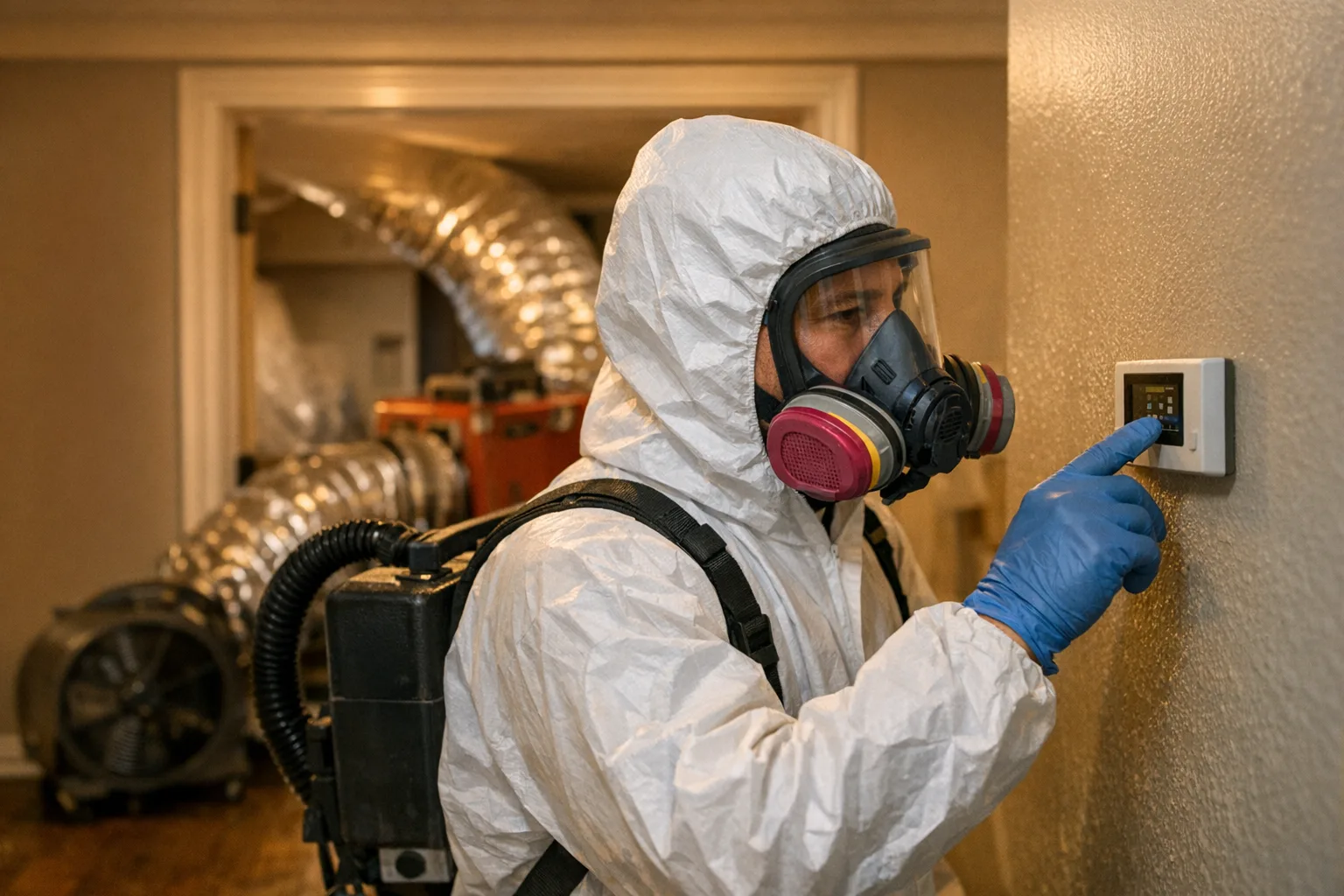
The Number That Will Make You Check Your Mattress Tonight
The average American homeowner pays between $1,200 and $3,500 for professional bed bug treatment. Catch that infestation early—while it's still confined to one room—and you'll likely spend $800 to $1,500. Wait six months, and the same home becomes a $5,000+ bill. That's the economics of bed bugs: they don't get cheaper with time.
At Price-Quotes Research Lab, we dug into cost data from across the pest control industry—from national platforms like HomeAdvisor and HomeGuide to regional specialists like The Bed Bug Inspectors and Redi Pest Control—to build the most complete picture of what you'll actually pay in 2026. This isn't a general overview. We're putting hard numbers on heat treatment versus chemical treatment, single room versus whole-house protocols, and the factors that determine whether you spend $300 or $6,000.
What Bed Bug Treatment Actually Costs in 2026
Bed bug treatment pricing isn't a single number—it's a spectrum driven by method, property size, infestation severity, and geography. Here's the current landscape, verified against multiple industry sources:
- Chemical/IPM treatment (per room): $300–$600, typically requiring 2–4 follow-up visits
- Heat treatment (single room): $800–$1,500
- Heat treatment (full apartment): $1,500–$3,500
- Heat treatment (whole house): $2,500–$6,000+
- K-9 inspection: $150–$350 per unit
- Multi-unit buildings (per unit, heat): $1,000–$2,000
- Severe whole-house infestations: $5,000+
The numbers from The Pricer and PestKeen's own calculator confirm these ranges. PestKeen's calculator estimates chemical treatment at roughly $1,575 total (with multiple visits factored in) versus heat at approximately $3,600 for comparable coverage. Those are professional-grade estimates—not the "call now, pay later" quotes that get homeowners in trouble.
The Heat vs. Chemical Showdown
Heat Treatment: Fast, Expensive, and Extremely Effective
Heat treatment works by raising your home's interior temperature to approximately 140°F (60°C) and holding it for several hours. At that threshold, adult bed bugs, nymphs, and eggs die instantly. There is no surviving egg case, no delayed hatch, no second wave of crawlers emerging from the walls a week later. One day. Done.
The appeal is obvious: speed and finality. According to pest control specialists at The Bed Bug Inspectors, heat treatment eliminates the reproduction cycle entirely in a single session. You don't need to schedule four return visits. You don't need to sleep in a chemically treated bedroom for weeks. You vacate the premises, the technicians heat the space, and you come home to a bug-free house.
The tradeoff is cost. Heat treatment equipment—industrial fans, heaters, temperature monitoring sensors—is expensive to deploy. Technicians need specialized training and certification. For a single room, expect $800–$1,500. Scale that to a whole house, and you're looking at $2,500–$6,000 depending on square footage and the severity of the infestation. Prices in major metropolitan areas like New York, New Jersey, and Pennsylvania run at the higher end of the scale; rural markets may be 20–30% lower, per The Bed Bug Inspectors' regional pricing data.
Heat treatment also requires meaningful preparation. You need to remove heat-sensitive items: candles, aerosols, certain electronics, vinyl records, and some medications. The home must be sealed and monitored throughout the process. But preparation is a small inconvenience compared to the psychological toll of living through a multi-week chemical treatment protocol.
Chemical Treatment: The Slow, Affordable Workhorse
Chemical treatment remains the most commonly used bed bug elimination method in the United States. A licensed technician applies EPA-registered insecticides—often a combination of residual sprays and dust formulations—to cracks, crevices, baseboards, mattress seams, and furniture joints where bed bugs shelter.
The cost advantage is real. Chemical treatment runs $300–$600 per room, making it significantly cheaper upfront than heat. For a moderate infestation in a typical 3-bedroom home, you're looking at $1,200–$2,400 total—roughly half the cost of equivalent heat treatment.
But "significantly cheaper" doesn't mean "cheaper overall." Chemical treatment requires patience. Bed bug eggs are notoriously resistant to many insecticide formulations. A single application rarely kills everything. Most professionals schedule 2–4 follow-up visits, typically spaced 7–14 days apart, to catch nymphs as they hatch and hit them before they mature and reproduce. That 2–4 visit schedule means 3–8 weeks of living in a partially treated home, often while practicing mattress encasements, interceptor traps, and diligent laundry routines.
The chemical approach also demands precision. PestKeen's data is blunt: DIY bed bug chemical treatment carries a 76% failure rate. Bug bombs and store-bought foggers don't work—they scatter bugs deeper into walls and voids, worsening the infestation. Improper application by an unlicensed operator can leave active infestations intact while creating health risks. Professional chemical treatment succeeds at dramatically higher rates, but it requires expertise in both product selection and application technique that most homeowners simply don't have.
The Combination Approach: The Gold Standard
Smart pest management doesn't treat heat and chemical as mutually exclusive. Many professional exterminators now use integrated pest management (IPM) protocols that combine both methods. Heat may be used to knock down an initial severe infestation—killing the bulk of the population in a single pass—followed by targeted chemical applications in harborage areas where heat can't easily penetrate: inside wall voids, behind electrical outlets, under baseboards.
Combination treatment costs more than either method alone but often produces the most durable results. Redi Pest Control, which offers both approaches, notes that every infestation—and every home—demands its own strategy. The combination approach is particularly valuable in multi-unit buildings where bed bugs can migrate between apartments through shared walls and electrical conduit.
Single Room vs. Whole House: The Math That Matters
Here's the decision point every homeowner faces: do you treat the whole house or target the problem room?
Bed bugs don't respect bedroom walls. They're excellent hitchhikers and they'll spread to adjoining rooms, living rooms, and even adjacent apartments given enough time. The question isn't whether they'll spread—it's how fast. And that depends on how heavily the infestation is established and how much clutter exists to harbor breeding populations.
When to Treat a Single Room
If you caught the problem early—bites on one person, a few spots on the mattress, no visible crawling in other rooms—a localized treatment makes financial sense. Single-room chemical treatment runs $300–$600. Single-room heat treatment runs $800–$1,500. You'll save 40–60% compared to whole-house treatment.
But "single room" requires honest assessment. A professional inspection—preferably K-9-assisted at $150–$350—should confirm that the infestation hasn't already spread beyond your perception. Bed bugs are masters of concealment. They're thin enough to hide in mattress seams, behind headboards, inside nightstands, and in the crevices of box springs. What looks like a bedroom-only problem may already be establishing secondary harborage in the living room or guest bedroom.
When to Treat the Whole House
Multi-room infestations are the norm, not the exception. The Bed Bug Inspectors note that a bedroom treatment caught six months late—with bugs confirmed in multiple rooms—typically runs $3,500–$5,000. That's not a different service; it's the same service applied across more square footage and with more entrenched populations.
Whole-house heat treatment ($2,500–$6,000+) is most cost-effective when the infestation is moderate to severe across multiple rooms. The one-day elimination of heat becomes a significant advantage when you calculate the cumulative cost of 3–4 chemical visits across a 4-bedroom home over 6–8 weeks.
In multi-unit buildings—apartment complexes, condos, senior housing—treating per unit is the standard approach, with costs running $1,000–$2,000 per unit for heat treatment. HomeGuide notes that whole-building treatments can be negotiated at a discount, and coordinated multi-unit heat treatments often achieve better long-term results than piecemeal individual treatments.
What Actually Drives Your Bed Bug Bill Higher
Every cost estimate you've seen so far is a range, not a guarantee. Here's what's actually moving the needle on your final invoice.
Infestation Severity: The Biggest Variable
A mild, early-stage infestation—few visible bugs, isolated to one room—may cost under $1,000 to eliminate. A severe, whole-house infestation with established populations in furniture, walls, and carpets can exceed $5,000. The difference isn't just volume; it's the number of treatment sessions, the complexity of the protocol, and the likelihood of callbacks.
Property Size and Layout
A studio apartment is not a 4-bedroom house. Heat treatment pricing scales with cubic footage—more space means more heaters, more time, more fuel. Complex layouts with multiple stories, finished basements, and attics add to the complexity of chemical treatment by creating harborage zones that require individual attention.
Clutter and Belongings
Clutter is bed bug habitat. Piles of clothing, stacks of books, cardboard boxes, and cluttered closets provide millions of tiny cracks where bed bugs hide, breed, and evade treatment. A cluttered home requires more chemical application points, longer heat exposure times, and more meticulous preparation. Decluttering before treatment—both to reduce harborage and to minimize what needs to be treated—genuinely reduces costs.
Geographic Location
Pest control pricing varies significantly by market. According to The Bed Bug Inspectors, major metropolitan areas in the Northeast—New York, Philadelphia, Boston—run 20–30% higher than national averages due to higher operational costs and greater demand. Rural markets tend to be cheaper, though access to qualified bed bug specialists may be limited. The Pricer notes that availability of heat treatment specifically depends on regional provider density; not every market has operators with portable heat equipment.
Season and Scheduling
Bed bug activity peaks in summer months when travel increases and temperatures favor rapid reproduction. Demand for treatment spikes in July–September, which can affect availability and pricing. Scheduling during off-peak seasons (late winter, early spring) may yield better availability and, in some markets, promotional pricing. This isn't universally true—emergency infestations don't wait for seasons—but it's a factor worth discussing with your provider.
Follow-Up and Warranty Visits
Most professional exterminators include a warranty or follow-up visit in their quoted price. Others charge per visit. Understanding exactly what's included in your estimate—what happens if the bugs come back—is essential. A $600 chemical treatment that requires two $200 follow-up visits actually costs $1,000. A $3,500 heat treatment with a 30-day warranty and one included callback might be the better value.
DIY vs. Professional Treatment: A $300 Illusion
Homeowners facing a $1,500–$3,500 extermination bill naturally look for cheaper alternatives. Store shelves are full of bed bug sprays, foggers, and "natural" remedies. The DIY route can technically cost under $300 upfront. Here's why it almost always costs more in the long run.
PestKeen's data doesn't soften this message: DIY bed bug treatments fail 76% of the time. Bug bombs scatter bed bugs deeper into wall voids rather than eliminating them. Over-the-counter sprays leave active egg cases intact. Home remedies—vinegar, diatomaceous earth, essential oils—have either no proven efficacy against established infestations or efficacy so marginal that they only buy the bugs more time to spread.
The failure mode isn't just financial. Failed DIY treatment allows an infestation to establish deeper. What started as a $1,000 professional treatment becomes a $4,000 whole-house protocol because the bugs have colonized more rooms, more furniture, and harder-to-reach voids. Every week of failed DIY is a week of breeding. A single fertilized female bed bug can lay 200–500 eggs over her lifespan. That's not an exaggeration—that's entomology. The math is brutal.
At Price-Quotes Research Lab, we've seen this pattern repeatedly: homeowners spend $200–$300 on DIY products, fail, spend another $200 on a different product, fail again, and then call a professional with a significantly worse infestation than they would have had if they'd acted immediately. The professional bill in those cases is consistently higher than it would have been at the start.
Negotiating Your Bed Bug Bill: Practical Ways to Save
Getting the best price on professional treatment isn't about haggling—it's about preparation and smart sequencing.
Get multiple quotes. This is non-negotiable. Pricing varies between providers, and most professional exterminators offer free inspections and estimates. HomeAdvisor, HomeGuide, and platforms like AskDoss all connect homeowners with licensed providers in their area. Collect at least three quotes before committing.
Declutter before the treatment. Whether you're doing heat or chemical treatment, reducing the clutter in your home reduces the technician's workload. Fewer harborage sites mean faster, more thorough treatment. This isn't just about saving money—it's about treatment efficacy.
Ask about integrated treatment. Some providers offer hybrid heat-chemical protocols at a lower combined cost than either method alone. Ask specifically whether a targeted heat treatment for hotspots plus chemical follow-up makes sense for your situation.
Coordinate with neighbors and landlords. In apartment buildings, bed bugs migrate between units. Treating your unit while your neighbor's unit remains infested is expensive futility. Multi-unit coordination—whether through a property manager or a negotiated group rate—dramatically improves outcomes and can reduce per-unit costs.
Verify licensing and insurance. The cheapest bid from an unlicensed applicator is not a savings. Improper application creates health hazards, may void your homeowner's insurance coverage, and frequently fails. Verify state licensing through your state's department of agriculture or pesticide regulatory office before signing any contract.
The Verdict: Which Treatment Is Right for You?
There's no universal answer—and anyone who tells you there is either hasn't dealt with a real infestation or is selling a specific service.
Choose heat treatment if: You need a same-day solution, you have a moderate-to-severe multi-room infestation, you or a family member are experiencing severe allergic reactions to bites, you have infants or immunocompromised individuals in the home, or you live in a multi-unit building where coordination with neighbors is difficult.
Choose chemical treatment if: You're working within a tight budget, the infestation is confirmed to a single room, you have time for the multi-visit protocol, or your home has heat-sensitive items that can't be removed or protected.
Consider combination treatment if: You have a severe infestation, you've already had one failed treatment attempt, or you live in a multi-unit building where complete elimination requires both unit-level and building-wide protocols.
The one certainty is this: bed bugs do not wait. Every day of inaction is a day of reproduction. A $5,000 problem six months from now started as an $800 problem today. If you've confirmed—or even strongly suspect—an infestation, the time to get quotes is now, not next month.
Sources
- AskDoss — Bed Bug Treatment Cost 2026
- HomeAdvisor — How Much Does Bed Bug Treatment Cost in 2025?
- Redi Pest Control — Bed Bug Treatment Cost: Average Prices, Methods & Factors
- PestKeen — Bed Bug Treatment Cost Calculator
- The Bed Bug Inspectors — 2025 Price Guide
- The Pricer — How Much Does Bed Bug Treatment Cost?
- HomeGuide — Bed Bug Exterminator Cost 2026
- LatestCost — Bed Bug Treatment Cost Guide for U.S. Homes 2026