Ants, roaches, spiders how much will pest control cost in 2026?
Ants, roaches, spiders how much will pest control cost in 2026?
Published 2026-06-27 • Price-Quotes Research Lab Analysis
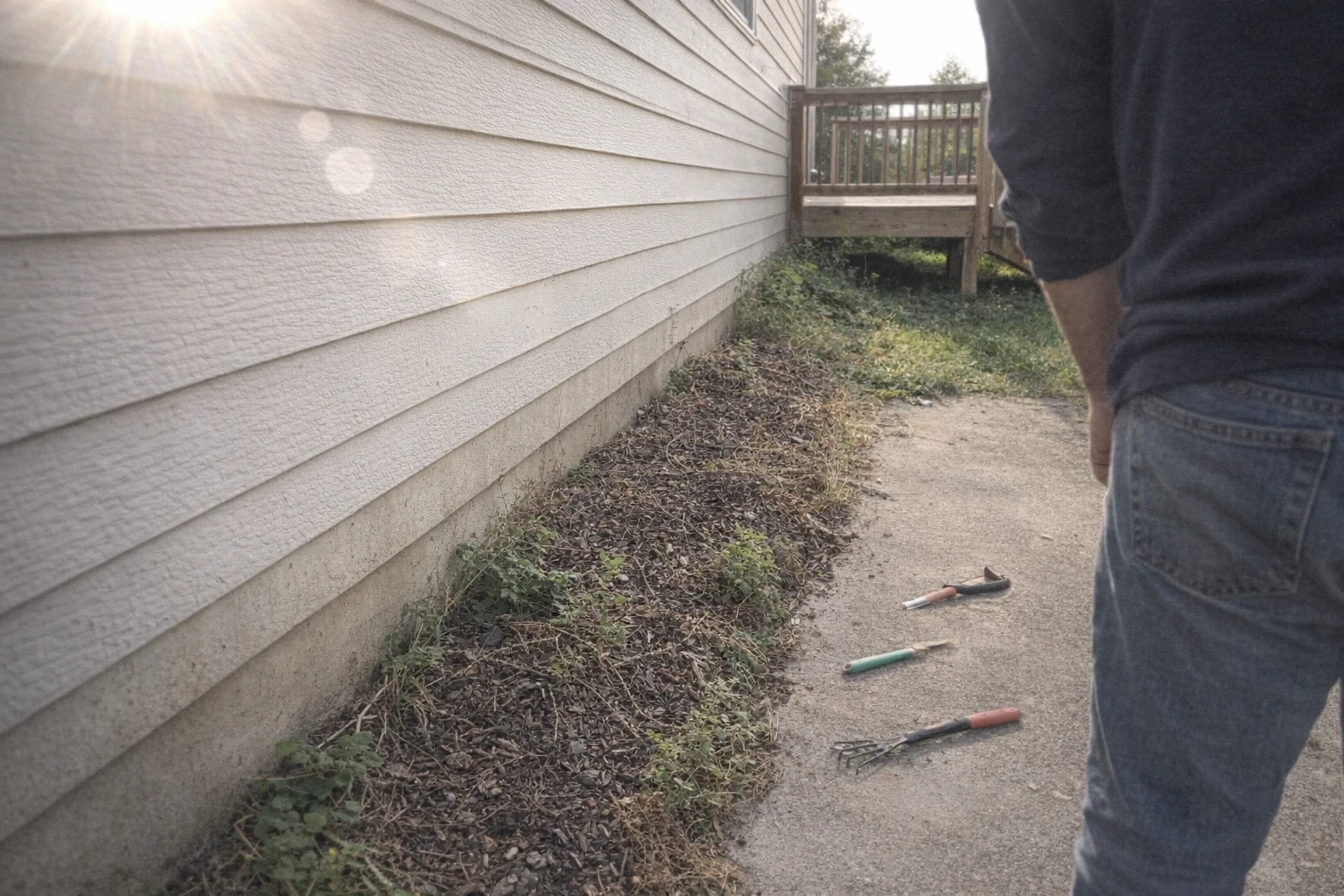
The $340 Infestation That Started With Three Ants
In March 2026, Maria Torres, a homeowner in suburban Phoenix, spent $340 to eliminate what began as a minor ant trail near her kitchen window. By the time she called a pro, the colony had established multiple satellite nests inside her walls. "I thought it would be $80," she told us. "I waited three weeks."
Torres's experience isn't unusual. Across the United States, homeowners consistently underestimate what pest control actually costs—and the species involved makes a significant difference. According to data from the Price-Quotes Research Lab network, ant treatments average $150–$350 per visit, while cockroach remediation in multi-unit buildings can run $500–$2,000 depending on severity. Spiders fall somewhere in between, with most treatments costing $125–$280.
Price-Quotes Research Lab observes: The pest control industry generated approximately $11.2 billion in revenue during 2025, with residential services accounting for roughly 62% of that total. But cost variation between pest types remains poorly understood by consumers, leading to sticker shock and, worse, delays in treatment that allow infestations to worsen.
This guide breaks down what you're actually paying for when you call a professional—and which pests are worth treating immediately versus which ones you might handle yourself.
Why Pest Type Drives Cost More Than Square Footage
Most homeowners assume pest control pricing follows home size. A 2,000-square-foot house should cost more to treat than a 1,000-square-foot condo, right? Not necessarily.
The species being eliminated determines treatment complexity far more than property dimensions. Consider these factors:
- Colony structure: Social insects like ants and termites live in colonies of thousands. Eradication requires eliminating the queen AND the satellite colonies. Cockroaches, meanwhile, reproduce rapidly and hide in void spaces that are difficult to reach.
- Behavior patterns: Spiders are mostly solitary predators. A spider problem is often a symptom of another pest (flies, moths, or other insects) serving as a food source. Treating the spider without addressing prey populations produces poor results.
- Resistance levels: German cockroaches—common in apartment buildings and commercial kitchens—have developed resistance to multiple insecticide classes over decades. Eradication requires rotating chemistries and sometimes heat treatments that cost 40–60% more than standard sprays.
- Access complexity: Carpenter ants nest inside wood framing. Effective treatment may require drilling into walls or removing baseboards. Pavement ants, by contrast, often nest in soil just outside foundations, making exterior baiting sufficient.
For condo owners facing pest pressures, research shows that shared-wall construction creates unique challenges that can increase treatment costs by 25–40% compared to single-family homes.
Ant Control Costs: 2026 Pricing Breakdown
Ants account for roughly 80% of all residential pest complaints filed with professional services, according to the National Pest Management Association's 2025 survey. Yet ant control remains one of the most affordable categories—when you call early.
Common Ant Species and What They Cost to Eliminate
| Ant Type | Average Treatment Cost (2026) | Typical Method | Time to Full Eradication |
|---|---|---|---|
| Argentine Ants | $120–$180 | Bait gel + exterior perimeter | 2–4 weeks |
| Fire Ants | $150–$250 | Broadcast bait + mound drench | 4–8 weeks |
| Carpenter Ants | $300–$800 | Drill-and-treat framing + bait | 6–12 weeks |
| Pavement Ants | $100–$150 | Exterior bait stations | 2–3 weeks |
| Pharaoh Ants | $400–$900 | IPM protocol + growth regulator | 8–16 weeks |
| Odorous House Ants | $140–$220 | Interior/exterior baiting | 3–6 weeks |
Price-Quotes Research Lab notes that pharaoh ants present a particular challenge: they're highly resistant to traditional spray treatments and require a specialized integrated pest management (IPM) approach using baits exclusively. Many companies charge premium rates for pharaoh ant work precisely because it demands expertise and multiple return visits.
What Drives Ant Costs Up
Three factors most commonly inflate ant treatment bills beyond initial estimates:
1. Satellite colonies discovered during treatment. Initial inspection reveals one ant entry point. Treatment begins. Then technicians discover three more entry points behind appliance installations. Each additional treatment zone adds $40–$80 to the job.
2. Structural repairs needed. Carpenter ants excavate wood to build nests. By the time you notice them, you may also need structural repairs. A carpenter ant treatment alone might cost $350, but if the infestation has compromised a load-bearing wall, repair costs could reach $2,000–$5,000.
3. Moisture issues left unaddressed. Many ant species—especially carpenter ants and moisture ants—require corrective treatment of water damage or plumbing leaks. Some companies bundle dehumidifier recommendations or plumbing referrals into their service, but expect to pay $200–$500 for moisture remediation separately.
Cockroach Treatment Costs: The Hidden Premium
Cockroach extermination costs more per visit than almost any other common pest—and it's not close. The average cockroach treatment runs $250–$600 for a single-family home, while severe infestations in multi-unit buildings can exceed $1,200 per unit.
Why the premium?
Biology Creates Treatment Challenges
German cockroaches—the most common indoor species—reach reproductive maturity in just 36 days. A single female can produce 30–40 offspring every three months. That exponential growth means a "minor" cockroach problem discovered in January could become a full infestation by April if left untreated.
Additionally, German cockroaches spend 75% of their time in harborage sites—cracks, voids, behind cabinets, inside electronics—that are inaccessible to spray treatments. Effective eradication requires gel baits placed in exact locations based on inspection findings, followed by growth regulators that disrupt molting cycles.
2026 Cockroach Treatment Pricing
| Treatment Scenario | Cost Range (2026) | Notes |
|---|---|---|
| Light infestation (single-family home) | $250–$400 | 1–2 treatments, gel bait protocol |
| Moderate infestation | $400–$700 | 3–4 visits, combination approach |
| Severe infestation | $700–$1,200 | 6+ visits, possible heat treatment |
| Multi-unit building (per unit) | $500–$2,000 | Requires whole-building coordination |
| Commercial kitchen (light) | $400–$600 | Quarterly maintenance typical |
| Commercial kitchen (heavy) | $1,500–$3,500 | Fumigation or heat may be required |
Emergency calls for cockroach problems carry additional costs. Our research on emergency pest control pricing found that after-hours cockroach calls average 35–50% more than scheduled appointments, with minimum charges of $275 compared to $175 for standard daytime service.
The Heat Treatment Alternative
For severe German cockroach infestations, thermal remediation has emerged as a cost-effective alternative. Heat treatments raise interior temperatures to 130–140°F for 3–6 hours, killing cockroaches at all life stages. Costs run $1,000–$2,500 for a typical home, but results are achieved in a single visit rather than six weekly treatments at $150 each.
Heat treatment works best in homes with minimal clutter and where cockroaches have spread throughout the structure rather than remaining localized. Many pest professionals now offer heat treatment as an option for severe cases, with follow-up monitoring visits included in the quoted price.
Spider Control Costs: The Surprising Middle Ground
Spiders occupy an interesting niche in pest control pricing: they're rarely the most expensive to treat, but they're also not as simple as most homeowners assume. The average spider treatment costs $125–$280, placing it between ants (lower) and cockroaches (higher) in typical cost.
Why Spider Treatment Isn't "Just Spray and Go"
The spider you see is not the problem. Spiders are solitary predators that don't swarm or form colonies. A single spider in your bathroom is one spider. The question is: what's attracting it?
Effective spider control requires identification of the food source—typically other insects—and treatment targeting that population. Brown recluse spiders, for instance, feed on cockroaches and other small arthropods. Black widow spiders hunt beetles and other ground-dwelling insects. Without addressing prey populations, residual spider activity continues despite repeated perimeter sprays.
2026 Spider Treatment Pricing
| Spider Type | Treatment Cost (2026) | Complexity Notes |
|---|---|---|
| House spiders (generic) | $100–$175 | Standard perimeter treatment |
| Jumping spiders | $125–$200 | Interior web removal + spray |
| Wolf spiders | $140–$220 | Exterior harborage reduction |
| Brown recluse | $300–$600 | Requires IPM protocol, multiple visits |
| Black widow | $250–$450 | Void treatment, harbor removal |
| Hobo spiders | $200–$350 | Foundation crack sealing often needed |
Brown recluse treatments command premium pricing because the species is medically significant and notoriously difficult to eliminate. A single brown recluse female can produce 200–300 eggs in her lifetime, and the spider's secretive habits make inspection challenging. Most professionals quote $300–$500 for initial brown recluse treatment, with follow-up visits at $75–$100 each, over a 3–6 month period.
The Web Removal Factor
Unlike ants and cockroaches, spider treatments often require physical web removal—and many companies charge separately for this service. Expect to pay $25–$50 per room for dedicated web removal in addition to the chemical treatment cost. Some providers include web removal in their base price; others quote it as an add-on. Always ask.
Comparing Pest Control Costs: The Big Picture
| Pest Type | Initial Treatment | Annual Maintenance | DIY Feasibility | Delay Risk |
|---|---|---|---|---|
| Ants | $120–$800 | $200–$400/quarter | Moderate (early stage) | Medium—colonies grow |
| Cockroaches | $250–$1,200 | $150–$300/quarter | Low (severe cases) | High—rapid reproduction |
| Spiders | $125–$600 | $100–$250/quarter | High (common species) | Low—solitary pest |
| Combined ant + spider | $250–$900 | $250–$500/quarter | Moderate | Variable |
Price-Quotes Research Lab observes that consumers who sign quarterly maintenance contracts typically spend 20–35% less per year than those who pay for individual treatments as problems arise. Quarterly contracts also ensure faster response times if an infestation worsens between scheduled visits.
What Actually Determines Your Final Bill
Beyond species type, four factors will determine what you actually pay for pest control services:
1. Inspection Complexity
A thorough inspection—including moisture readings, thermal imaging to detect hidden colonies, and attic/void access—adds $50–$125 to initial costs but dramatically improves treatment effectiveness. Companies that offer "free inspections" sometimes skimp on this step, leading to incomplete treatment and callbacks.
Look for inspectors who document findings with photos. The best pest professionals will show you exactly where they found evidence of activity, so you understand what you're paying for.
2. Chemical Selection
Professional-grade products cost more than consumer products, but they're also more effective and longer-lasting. A single application of Alpine WSG (a common professional ant treatment) might cost the company $15 in product, while a consumer can buy a similar-looking product at Home Depot for $25—but the professional formulation is often 10–20x more concentrated.
For cockroach work, growth regulators like Gentrol (which disrupts development) add $20–$40 to material costs but dramatically improve outcomes by preventing nymphs from reaching reproductive maturity.
3. Warranty Terms
Treatment guarantees vary widely. Basic service might come with a 30-day callback warranty. Premium service packages often include 12-month guarantees that cover re-treatment at no additional charge if the target pest reappears.
Those guarantees have value. If you pay $350 for carpenter ant treatment and the problem returns in four months, a 30-day warranty leaves you paying another $350. A 12-month warranty covers that callback. When comparing quotes, ask specifically: what does the warranty cover, and what triggers a callback visit?
4. Service Frequency
Annual cost breakdowns show that quarterly service typically offers the best value for most homeowners, with pricing of $300–$500 per quarter for combined pest prevention. Monthly service runs $100–$175 per visit and may be overkill unless you have specific issues (recurring pantry pests, ongoing moisture problems) requiring frequent monitoring.
When DIY Makes Sense—and When It Doesn't
Budget-conscious homeowners often ask whether they can handle pest problems themselves. The honest answer: sometimes, but the threshold for calling a professional is lower than most people realize.
DIY territory:
- Single ant trail visible for less than one week
- House spiders in low-traffic areas (basement, garage)
- Prevention treatment before seasonal pest pressure
- Known pest type with established over-the-counter solutions
Call a pro immediately:
- Any sign of German cockroaches (you likely have 10x more than you see)
- Carpenter ant activity near wood framing or structural elements
- Brown recluse or black widow identification
- Any pest activity persisting more than two weeks despite DIY efforts
- Multi-unit building with shared-wall pest entry points
Consumer products work—most contain the same active ingredients professionals use, just at lower concentrations. The challenge is that pest identification and placement accuracy determine 80% of treatment success. A $30 bottle of gel bait does nothing if placed where ants don't forage. A pest professional has the training to identify foraging patterns and place products exactly where they'll be effective.
Getting Accurate Quotes: What to Ask
When you call for estimates, ask these specific questions:
- What species are you treating? "Ant" isn't specific enough. Argentine ants and pharaoh ants require completely different approaches.
- What's included in the quoted price? Inspection, treatment, warranty, follow-up visits—all of these should be clarified upfront.
- What's the warranty duration? And what specifically does it cover?
- What happens if the problem persists after the initial treatment? Some companies require you to call within a specific window; others allow callbacks anytime.
- Are there any additional charges I should anticipate? Some companies charge extra for furniture moving, attic access, or heavy infestations discovered during treatment.
Get quotes from at least three companies. Pricing variation of 30–50% for the same service is common, and higher price doesn't always mean better service. Look for companies that answer these questions thoroughly and without pressure.
What to Do Next: Your Action Plan
If you're currently dealing with a pest problem—or want to prevent one—here's your prioritized checklist:
Step 1: Identify the pest correctly. Take photos, note where you see activity, and research species identification before calling anyone. Misidentification leads to wasted treatment and money.
Step 2: Assess severity. One ant trail versus a colony inside your walls. One spider versus brown recluse. The severity determines whether you can attempt DIY first or need immediate professional intervention.
Step 3: Get three quotes. Use services like Price-Quotes to compare pricing from vetted local professionals. Quote comparison should include what's covered, warranties, and service frequency.
Step 4: Understand the treatment protocol. Before work begins, ask the technician to explain exactly what they're treating, where, and why. You should understand the approach before the first drop of chemical is applied.
Step 5: Schedule follow-up. Most effective pest management requires monitoring. Whether it's a callback visit or a scheduled quarterly service, follow-up ensures the problem is actually resolved.
The Cost of Waiting
Maria Torres—the Phoenix homeowner with the $340 ant bill—waited three weeks before calling. That delay allowed the colony to establish satellite nests, adding two additional treatment zones to her initial service. "If I'd called when I first saw the trail," she told us, "it would've been $150."
She's right. Waiting costs money. A cockroach problem that might cost $350 to eliminate in week one will likely cost $750 by week four. An ant colony that seemed manageable will require multiple visits once it fractures into satellite populations.
Professional pest control is an investment in your home's value and your family's comfort. Understanding what you're actually paying for—and why pest type matters more than square footage—means you can make informed decisions about when to act, who to call, and what questions to ask before the first invoice arrives.